Protect caterpillars as UK’s moth population plummets, urge charities
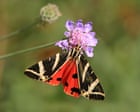
Instead of removing plant-munching caterpillars, gardeners asked to take relaxed attitude to support the moths many of them grow intoAs spring unfolds and plants come to life, gardeners often fight a losing battle against the caterpillars who munch their cabbages.Traditionally, advice for gardeners...
<p>Instead of removing plant-munching caterpillars, gardeners asked to take relaxed attitude to support the moths many of them grow into</p><p>As spring unfolds and plants come to life, gardeners often fight a losing battle against the caterpillars who munch their cabbages.</p><p>Traditionally, advice for gardeners regarding caterpillars would be about how to get rid of them and stop unsightly holes in plants. But the Royal Horticultural Society (RHS) and the Wildlife Trusts are asking Britons to take a relaxed attitude to caterpillar carnage in order to support the moths many of them grow into.</p><p><strong>Foxgloves: </strong>These pretty plants are food for several moths, including the lesser yellow underwing (<em>Noctua comes</em>), angle shades moth (<em>Phlogophora meticulosa</em>) and setaceous Hebrew character (<em>Xestia c-nigrum</em>).</p><p><strong>Lady’s bedstraw</strong><strong>:</strong> This native wildflower with frothy yellow blooms provides food for the hummingbird hawk-moth (<em>Macroglossum stellatarum</em>), elephant hawk-moth (<em>Deilephila elpenor</em>) and bedstraw hawk-moth (<em>Hyles gallii</em>).</p><p><strong>Mullein</strong><strong>: </strong>These tall, drought-resistant yellow plants are enjoyed by the brightly striped caterpillars of the mullein moth (<em>Cucullia verbasci</em>).</p><p><strong>Mint: </strong>This provides food for the mint moth and beautiful plume moth. It is also loved by bees.</p><p><strong>Hedges</strong><strong>: </strong>If you have space, a mixed native hedge planted with hawthorn (<em>Crataegus monogyna</em>), blackthorn (<em>Prunus spinosa</em>), hazel (<em>Coryllus avellana</em>) and dog rose (<em>Rosa canina</em>) provides food for a multitude of caterpillars.</p> <a href="https://www.theguardian.com/environment/2026/mar/04/caterpillars-spring-moth-population">Continue reading...</a>
Read the full article at:
The Guardian World →