🔵 Progressive Analysis
North Korea removing propaganda loudspeakers in border areas amid efforts to ease tensions
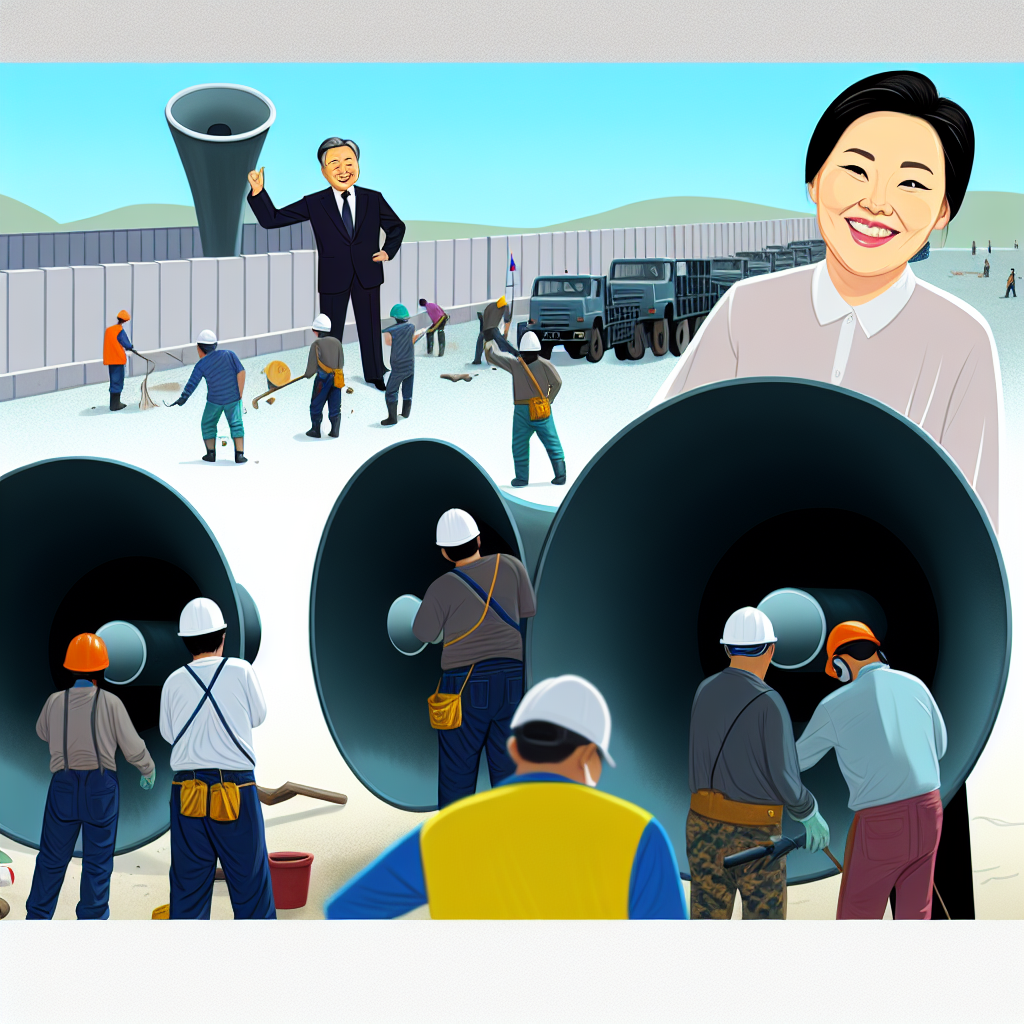
🤖 AI-Generated Illustration by Mobile Digest
North Korea Dismantles Border Propaganda Systems, Marking Potential Step Toward Peace and Humanitarian Progress In a meaningful step toward reducing militarized tensions on the Korean Peninsula, North Korea has begun removing propaganda loudspeakers along its border with South Korea, following Sout...
North Korea Dismantles Border Propaganda Systems, Marking Potential Step Toward Peace and Humanitarian Progress
In a meaningful step toward reducing militarized tensions on the Korean Peninsula, North Korea has begun removing propaganda loudspeakers along its border with South Korea, following South Korea's initiative to dismantle its own systems. This development represents a potential shift away from decades of psychological warfare that has impacted border communities and perpetuated a cycle of mutual antagonism.
The dismantling efforts, observed by South Korea's Joint Chiefs of Staff, come as President Lee Jae Myung's administration pushes for diplomatic engagement - a strategy that progressive advocates have long argued could help address the humanitarian crisis in North Korea and reduce regional military spending that diverts resources from social programs.
While the exact scope of the removal remains to be confirmed across all border areas, this reciprocal action signals an opportunity to redirect focus toward pressing humanitarian concerns, including food security, human rights, and family reunification efforts that have been stalled by ongoing tensions.
The propaganda systems, a remnant of Cold War-era tactics, have historically contributed to an atmosphere of fear and division, particularly impacting vulnerable border communities on both sides. Their removal could create space for more constructive dialogue around shared challenges like climate change adaptation and economic inequality.
However, experts emphasize that meaningful progress will require sustained commitment to diplomatic engagement, transparency, and addressing root causes of conflict - including the need for demilitarization, humanitarian aid, and inclusive peace-building processes that center affected communities' needs.
The development comes amid broader calls from peace activists and human rights organizations for a comprehensive approach to Korean Peninsula relations that prioritizes human security over military posturing.
In a meaningful step toward reducing militarized tensions on the Korean Peninsula, North Korea has begun removing propaganda loudspeakers along its border with South Korea, following South Korea's initiative to dismantle its own systems. This development represents a potential shift away from decades of psychological warfare that has impacted border communities and perpetuated a cycle of mutual antagonism.
The dismantling efforts, observed by South Korea's Joint Chiefs of Staff, come as President Lee Jae Myung's administration pushes for diplomatic engagement - a strategy that progressive advocates have long argued could help address the humanitarian crisis in North Korea and reduce regional military spending that diverts resources from social programs.
While the exact scope of the removal remains to be confirmed across all border areas, this reciprocal action signals an opportunity to redirect focus toward pressing humanitarian concerns, including food security, human rights, and family reunification efforts that have been stalled by ongoing tensions.
The propaganda systems, a remnant of Cold War-era tactics, have historically contributed to an atmosphere of fear and division, particularly impacting vulnerable border communities on both sides. Their removal could create space for more constructive dialogue around shared challenges like climate change adaptation and economic inequality.
However, experts emphasize that meaningful progress will require sustained commitment to diplomatic engagement, transparency, and addressing root causes of conflict - including the need for demilitarization, humanitarian aid, and inclusive peace-building processes that center affected communities' needs.
The development comes amid broader calls from peace activists and human rights organizations for a comprehensive approach to Korean Peninsula relations that prioritizes human security over military posturing.