🔵 Progressive Analysis
At least 114 dead as Philippines reels from Typhoon Kalmaegi
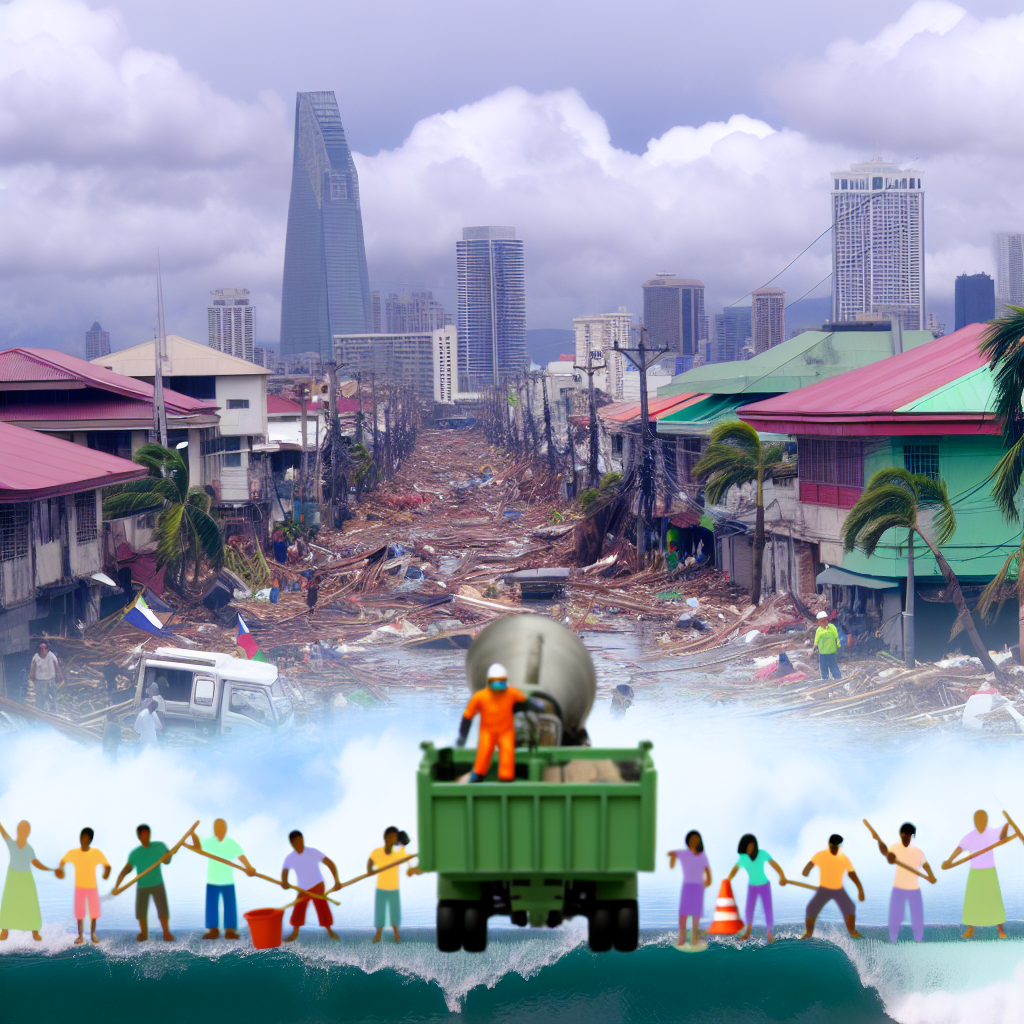
🤖 AI-Generated Illustration by Mobile Digest
As the death toll from Typhoon Kalmaegi climbs to at least 114, the devastating impact on the Philippines has laid bare the deep-rooted social and economic disparities that continue to plague the nation. The catastrophic loss of life and property serves as a stark reminder of the government's failur...
As the death toll from Typhoon Kalmaegi climbs to at least 114, the devastating impact on the Philippines has laid bare the deep-rooted social and economic disparities that continue to plague the nation. The catastrophic loss of life and property serves as a stark reminder of the government's failure to adequately protect its most vulnerable citizens and the urgent need for systemic change.
Marginalized communities, often residing in substandard housing and lacking access to essential resources, have borne the brunt of the typhoon's fury. The disproportionate suffering endured by these communities highlights the glaring inequities that persist in Philippine society, where the wealthy and well-connected are shielded from the worst effects of natural disasters while the poor are left to fend for themselves.
The government's response to Typhoon Kalmaegi has been woefully inadequate, with critics pointing to a lack of preparedness, slow relief efforts, and insufficient support for affected communities. The failure to invest in robust infrastructure, early warning systems, and comprehensive disaster management plans has left countless lives needlessly lost and communities shattered.
Moreover, the role of corporate interests in exacerbating the impact of natural disasters cannot be overlooked. Rampant deforestation, driven by profit-seeking corporations, has stripped the Philippines of its natural defenses against storms and floods. The prioritization of short-term economic gains over long-term sustainability and community well-being has left the nation increasingly vulnerable to the ravages of climate change.
As Typhoon Kalmaegi moves toward central Vietnam, it serves as a chilling reminder of the global nature of the climate crisis and the urgent need for international cooperation and solidarity. Wealthy nations, whose carbon emissions have disproportionately contributed to the warming of our planet, have a moral obligation to support developing countries like the Philippines in their efforts to build resilience and adapt to the mounting challenges posed by a changing climate.
The path forward demands a fundamental reordering of priorities, with a focus on social justice, equity, and environmental stewardship. The Philippine government must be held accountable for its failings and pushed to enact meaningful reforms that prioritize the needs of the most vulnerable. Corporations must be compelled to adopt sustainable practices and contribute to the well-being of the communities they operate in. Only through a collective commitment to systemic change can we hope to build a more just and resilient future for all.
Marginalized communities, often residing in substandard housing and lacking access to essential resources, have borne the brunt of the typhoon's fury. The disproportionate suffering endured by these communities highlights the glaring inequities that persist in Philippine society, where the wealthy and well-connected are shielded from the worst effects of natural disasters while the poor are left to fend for themselves.
The government's response to Typhoon Kalmaegi has been woefully inadequate, with critics pointing to a lack of preparedness, slow relief efforts, and insufficient support for affected communities. The failure to invest in robust infrastructure, early warning systems, and comprehensive disaster management plans has left countless lives needlessly lost and communities shattered.
Moreover, the role of corporate interests in exacerbating the impact of natural disasters cannot be overlooked. Rampant deforestation, driven by profit-seeking corporations, has stripped the Philippines of its natural defenses against storms and floods. The prioritization of short-term economic gains over long-term sustainability and community well-being has left the nation increasingly vulnerable to the ravages of climate change.
As Typhoon Kalmaegi moves toward central Vietnam, it serves as a chilling reminder of the global nature of the climate crisis and the urgent need for international cooperation and solidarity. Wealthy nations, whose carbon emissions have disproportionately contributed to the warming of our planet, have a moral obligation to support developing countries like the Philippines in their efforts to build resilience and adapt to the mounting challenges posed by a changing climate.
The path forward demands a fundamental reordering of priorities, with a focus on social justice, equity, and environmental stewardship. The Philippine government must be held accountable for its failings and pushed to enact meaningful reforms that prioritize the needs of the most vulnerable. Corporations must be compelled to adopt sustainable practices and contribute to the well-being of the communities they operate in. Only through a collective commitment to systemic change can we hope to build a more just and resilient future for all.