🔵 Progressive Analysis
Content:
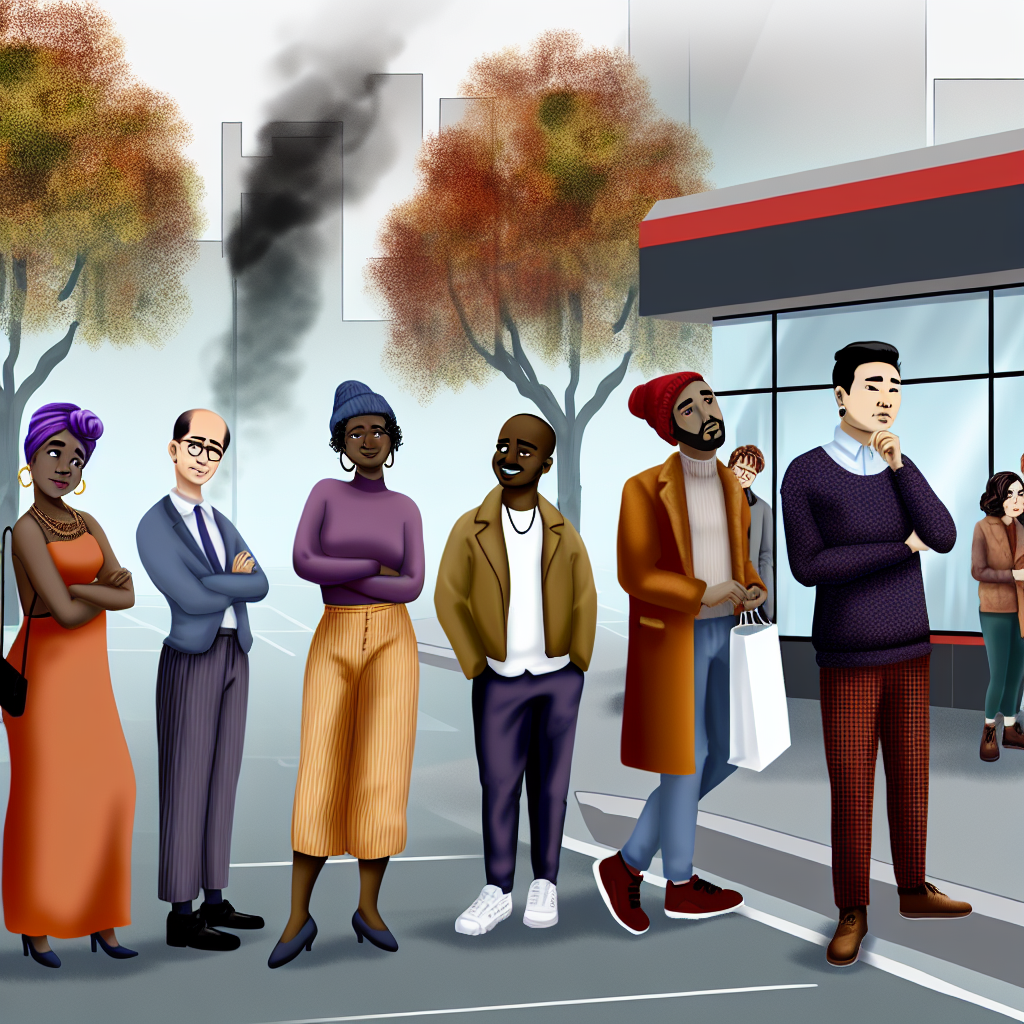
🤖 AI-Generated Illustration by Mobile Digest
The opening of Shein's first physical store in Paris has ignited a heated debate about the fast fashion industry's impact on workers' rights, environmental sustainability, and consumer responsibility. As eager shoppers lined up to experience the Chinese e-commerce giant's brick-and-mortar debut, act...
The opening of Shein's first physical store in Paris has ignited a heated debate about the fast fashion industry's impact on workers' rights, environmental sustainability, and consumer responsibility. As eager shoppers lined up to experience the Chinese e-commerce giant's brick-and-mortar debut, activists and concerned citizens gathered to protest the company's alleged unethical practices and the systemic issues plaguing the fashion industry.
Critics argue that Shein's rapid growth and rock-bottom prices come at a steep cost to both human rights and the environment. Reports of poor working conditions, low wages, and lack of transparency in Shein's supply chain have raised serious questions about the company's commitment to social responsibility. Moreover, the fast fashion model, which encourages overconsumption and generates massive amounts of waste, contributes significantly to the global climate crisis.
Protesters at the store opening called for greater accountability from Shein and other fast fashion brands, urging them to prioritize workers' well-being, adopt sustainable production practices, and provide consumers with more eco-friendly options. They also demanded that governments implement stricter regulations and incentives to promote a more equitable and sustainable fashion industry.
As the controversy surrounding Shein's Paris store opening continues, it serves as a stark reminder of the urgent need for systemic change in the fashion world. Consumers, corporations, and policymakers alike must work together to create a future where fashion is not only accessible and affordable but also ethical and environmentally responsible. Only by addressing these critical issues can we hope to build a more just and sustainable society for all.
Critics argue that Shein's rapid growth and rock-bottom prices come at a steep cost to both human rights and the environment. Reports of poor working conditions, low wages, and lack of transparency in Shein's supply chain have raised serious questions about the company's commitment to social responsibility. Moreover, the fast fashion model, which encourages overconsumption and generates massive amounts of waste, contributes significantly to the global climate crisis.
Protesters at the store opening called for greater accountability from Shein and other fast fashion brands, urging them to prioritize workers' well-being, adopt sustainable production practices, and provide consumers with more eco-friendly options. They also demanded that governments implement stricter regulations and incentives to promote a more equitable and sustainable fashion industry.
As the controversy surrounding Shein's Paris store opening continues, it serves as a stark reminder of the urgent need for systemic change in the fashion world. Consumers, corporations, and policymakers alike must work together to create a future where fashion is not only accessible and affordable but also ethical and environmentally responsible. Only by addressing these critical issues can we hope to build a more just and sustainable society for all.