🔵 Progressive Analysis
The hidden cost of Trump’s tariffs
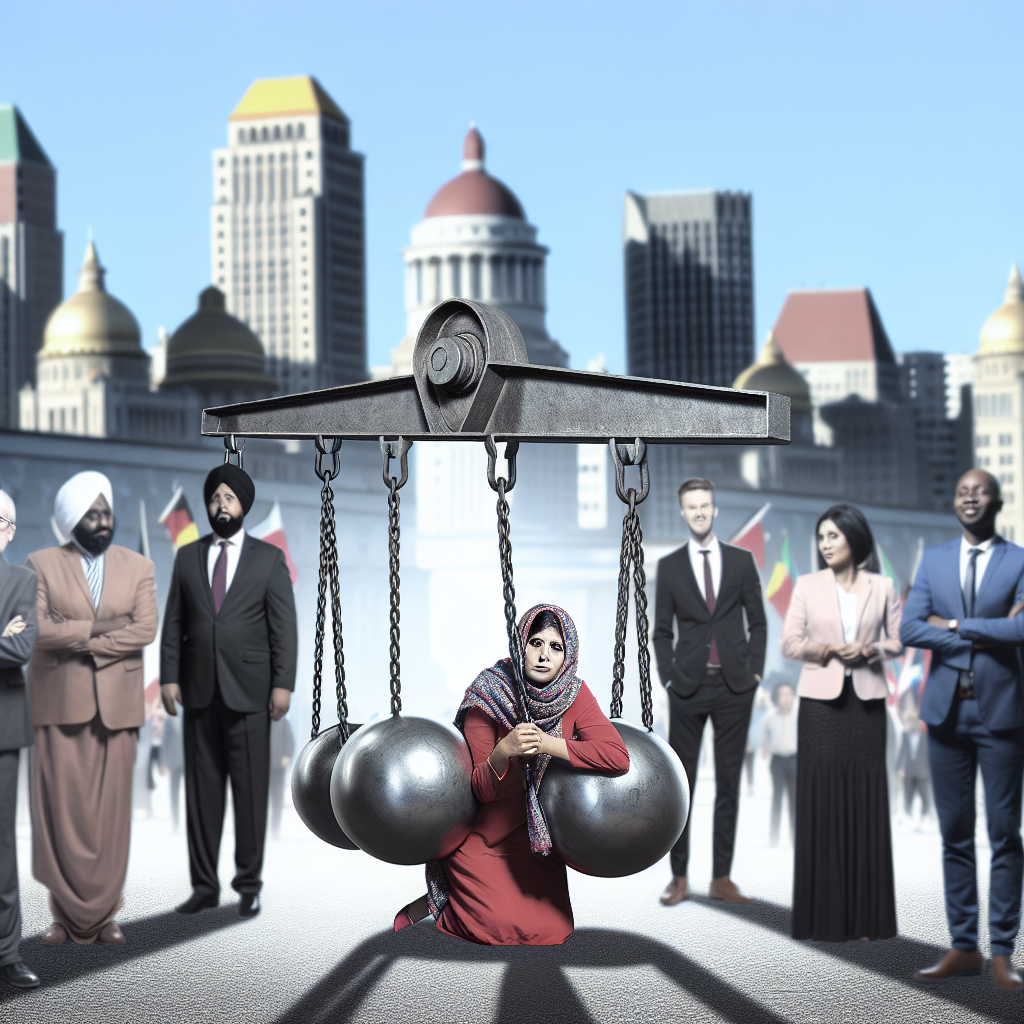
🤖 AI-Generated Illustration by Mobile Digest
As the U.S. Supreme Court prepares to hear arguments on the legality of Trump-era tariffs, the real cost of these misguided policies is being felt by some of the world's most vulnerable populations. In India, factory workers are paying the price for the ongoing trade dispute between the two nations,...
As the U.S. Supreme Court prepares to hear arguments on the legality of Trump-era tariffs, the real cost of these misguided policies is being felt by some of the world's most vulnerable populations. In India, factory workers are paying the price for the ongoing trade dispute between the two nations, highlighting the stark inequities in the global economic system.
While high-level trade talks between the U.S. and India continue, the voices of those most impacted by these decisions are often silenced. Indian factory workers, many of whom are women and members of marginalized communities, face long hours, low wages, and hazardous working conditions. The added pressure of tariffs threatens their livelihoods and exacerbates existing social and economic disparities.
The Trump administration's tariffs, which were imposed under the guise of protecting American jobs, have instead resulted in a lose-lose situation. American consumers face higher prices, while workers in developing nations bear the brunt of the economic fallout. This shortsighted approach fails to address the systemic issues that perpetuate inequality and hinder sustainable development.
Moreover, the environmental impact of these policies cannot be ignored. As factories struggle to remain competitive in the face of tariffs, corners are cut, and environmental regulations are often sacrificed. This not only harms local communities but also contributes to the global climate crisis, disproportionately affecting those who are already most vulnerable.
It is time for a new approach to trade – one that prioritizes human rights, environmental sustainability, and equitable development. Governments must be held accountable for policies that perpetuate inequality, while corporations must take responsibility for their impact on workers and communities. Only by addressing these systemic issues can we build a more just and sustainable global economy.
As the Supreme Court weighs the legality of these tariffs, it is crucial that we consider the human cost of our economic policies. The voices of Indian factory workers and countless others must be heard, and their rights must be protected. It is time for a trade system that works for everyone, not just the privileged few.
While high-level trade talks between the U.S. and India continue, the voices of those most impacted by these decisions are often silenced. Indian factory workers, many of whom are women and members of marginalized communities, face long hours, low wages, and hazardous working conditions. The added pressure of tariffs threatens their livelihoods and exacerbates existing social and economic disparities.
The Trump administration's tariffs, which were imposed under the guise of protecting American jobs, have instead resulted in a lose-lose situation. American consumers face higher prices, while workers in developing nations bear the brunt of the economic fallout. This shortsighted approach fails to address the systemic issues that perpetuate inequality and hinder sustainable development.
Moreover, the environmental impact of these policies cannot be ignored. As factories struggle to remain competitive in the face of tariffs, corners are cut, and environmental regulations are often sacrificed. This not only harms local communities but also contributes to the global climate crisis, disproportionately affecting those who are already most vulnerable.
It is time for a new approach to trade – one that prioritizes human rights, environmental sustainability, and equitable development. Governments must be held accountable for policies that perpetuate inequality, while corporations must take responsibility for their impact on workers and communities. Only by addressing these systemic issues can we build a more just and sustainable global economy.
As the Supreme Court weighs the legality of these tariffs, it is crucial that we consider the human cost of our economic policies. The voices of Indian factory workers and countless others must be heard, and their rights must be protected. It is time for a trade system that works for everyone, not just the privileged few.