🔴 Conservative Analysis
Dozens dead after typhoon sweeps across Philippines
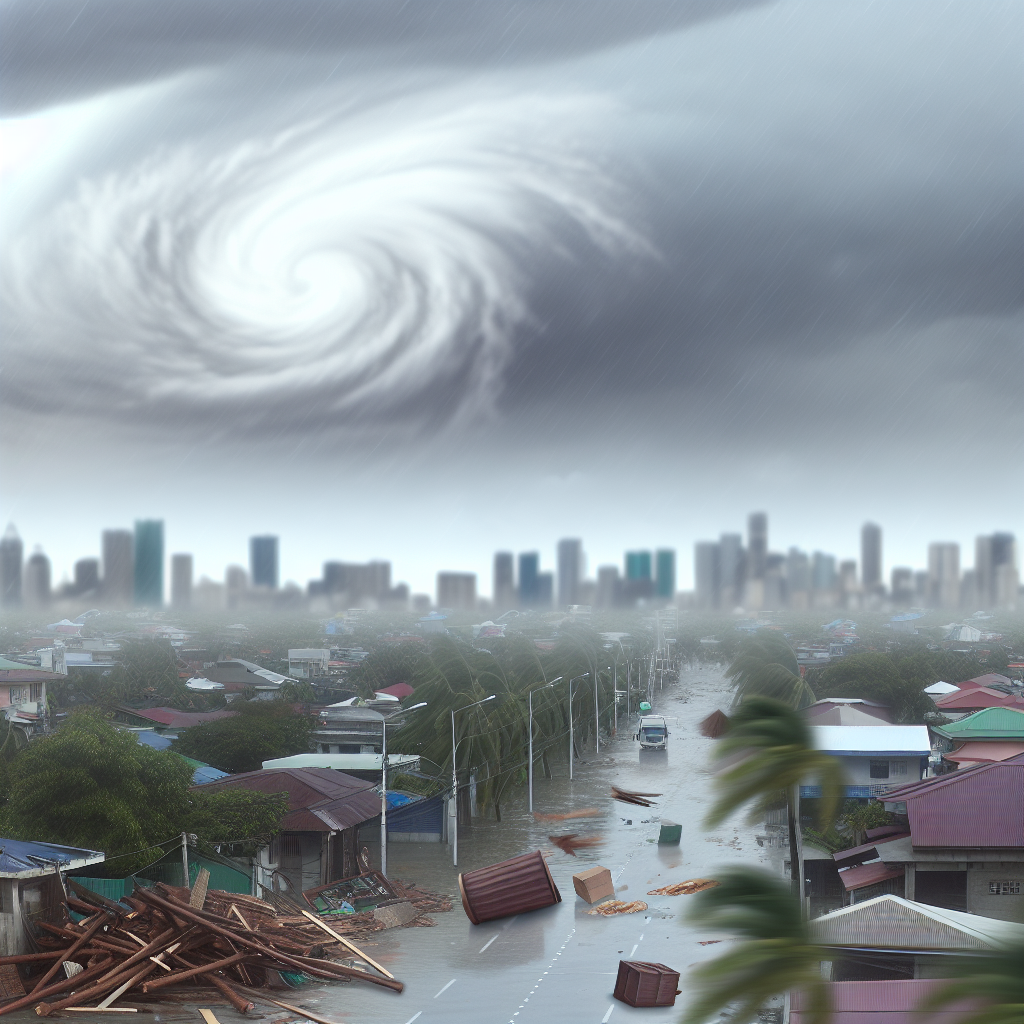
🤖 AI-Generated Illustration by Mobile Digest
The devastating impact of Typhoon Kalmaegi, which claimed dozens of lives and left thousands homeless in the central Philippines, underscores the critical importance of personal responsibility and local community action in the face of natural disasters. While the loss of life is tragic, it serves as...
The devastating impact of Typhoon Kalmaegi, which claimed dozens of lives and left thousands homeless in the central Philippines, underscores the critical importance of personal responsibility and local community action in the face of natural disasters. While the loss of life is tragic, it serves as a stark reminder that relying solely on government intervention is not a viable solution for ensuring the safety and well-being of citizens.
In a free society, individuals and communities must take proactive measures to protect themselves and their property from the forces of nature. This includes investing in sturdy, weather-resistant infrastructure, developing comprehensive emergency plans, and cultivating a spirit of self-reliance and mutual aid among neighbors. By taking these steps, communities can minimize the impact of natural disasters and bounce back more quickly in their aftermath.
Moreover, the government's role in disaster response should be limited and focused on maintaining essential services and upholding the rule of law. Overreaching government intervention often leads to inefficiencies, waste, and the erosion of individual liberties. Instead, the private sector and local organizations should be empowered to provide swift, targeted relief efforts that respect the rights and dignity of those affected.
As the Philippines recovers from this tragic event, it is crucial to recognize the resilience and strength of its people, who have demonstrated time and again their ability to overcome adversity through hard work, faith, and a commitment to traditional values. By embracing these principles and working together as a community, the nation can emerge from this crisis stronger, more self-reliant, and better prepared to face the challenges of the future.
In a free society, individuals and communities must take proactive measures to protect themselves and their property from the forces of nature. This includes investing in sturdy, weather-resistant infrastructure, developing comprehensive emergency plans, and cultivating a spirit of self-reliance and mutual aid among neighbors. By taking these steps, communities can minimize the impact of natural disasters and bounce back more quickly in their aftermath.
Moreover, the government's role in disaster response should be limited and focused on maintaining essential services and upholding the rule of law. Overreaching government intervention often leads to inefficiencies, waste, and the erosion of individual liberties. Instead, the private sector and local organizations should be empowered to provide swift, targeted relief efforts that respect the rights and dignity of those affected.
As the Philippines recovers from this tragic event, it is crucial to recognize the resilience and strength of its people, who have demonstrated time and again their ability to overcome adversity through hard work, faith, and a commitment to traditional values. By embracing these principles and working together as a community, the nation can emerge from this crisis stronger, more self-reliant, and better prepared to face the challenges of the future.