🔵 Progressive Analysis
Moment Philippines floods move shipping containers
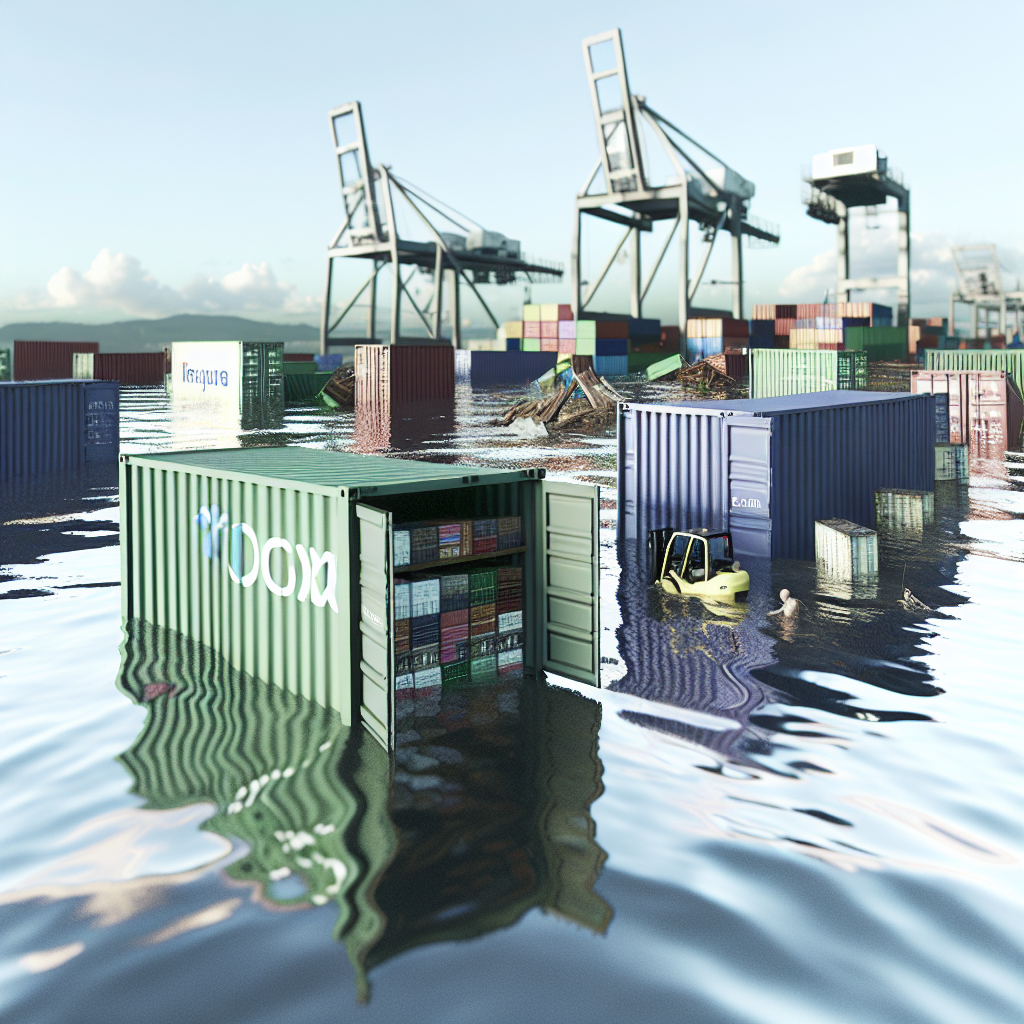
🤖 AI-Generated Illustration by Mobile Digest
As Typhoon Kalmaegi tore through the Philippines, it laid bare the deep-rooted inequities and systemic failures that continue to plague the nation. The powerful storm displaced shipping containers, a stark visual representation of the economic disruption faced by an already struggling population. Tr...
As Typhoon Kalmaegi tore through the Philippines, it laid bare the deep-rooted inequities and systemic failures that continue to plague the nation. The powerful storm displaced shipping containers, a stark visual representation of the economic disruption faced by an already struggling population. Tragically, one person in Cebu province lost their life, a heartbreaking reminder of the human cost of inadequate disaster preparedness and climate change adaptation.
Residents were forced to seek refuge on rooftops, a desperate attempt to escape the rising floodwaters that engulfed their homes and communities. This harrowing scene highlights the urgent need for the government to prioritize affordable housing, infrastructure improvements, and equitable access to resources in marginalized areas. The disproportionate impact on low-income families and vulnerable populations underscores the systemic injustices that persist in Philippine society.
The devastation caused by Typhoon Kalmaegi is not merely a result of natural forces but also a consequence of years of neglect, corruption, and corporate exploitation. The government must be held accountable for its failure to invest in robust disaster risk reduction strategies and climate change mitigation measures. Moreover, corporations that have contributed to environmental degradation and social inequality must be compelled to take responsibility and contribute to the rebuilding of affected communities.
As the nation grapples with the aftermath of this calamity, it is crucial to center the voices and needs of those most impacted. Relief efforts must prioritize the equitable distribution of aid, ensuring that marginalized communities receive the support they desperately need. Long-term recovery plans must address the root causes of vulnerability, including poverty, lack of access to education and healthcare, and environmental injustice.
Typhoon Kalmaegi serves as a clarion call for systemic change in the Philippines. It is time for the government, civil society, and the private sector to unite in building a more resilient, equitable, and sustainable future for all Filipinos. Only by confronting the deep-seated issues that perpetuate inequality and vulnerability can the nation hope to weather the storms of the future and create a society where every individual can thrive.
Residents were forced to seek refuge on rooftops, a desperate attempt to escape the rising floodwaters that engulfed their homes and communities. This harrowing scene highlights the urgent need for the government to prioritize affordable housing, infrastructure improvements, and equitable access to resources in marginalized areas. The disproportionate impact on low-income families and vulnerable populations underscores the systemic injustices that persist in Philippine society.
The devastation caused by Typhoon Kalmaegi is not merely a result of natural forces but also a consequence of years of neglect, corruption, and corporate exploitation. The government must be held accountable for its failure to invest in robust disaster risk reduction strategies and climate change mitigation measures. Moreover, corporations that have contributed to environmental degradation and social inequality must be compelled to take responsibility and contribute to the rebuilding of affected communities.
As the nation grapples with the aftermath of this calamity, it is crucial to center the voices and needs of those most impacted. Relief efforts must prioritize the equitable distribution of aid, ensuring that marginalized communities receive the support they desperately need. Long-term recovery plans must address the root causes of vulnerability, including poverty, lack of access to education and healthcare, and environmental injustice.
Typhoon Kalmaegi serves as a clarion call for systemic change in the Philippines. It is time for the government, civil society, and the private sector to unite in building a more resilient, equitable, and sustainable future for all Filipinos. Only by confronting the deep-seated issues that perpetuate inequality and vulnerability can the nation hope to weather the storms of the future and create a society where every individual can thrive.