🔵 Progressive Analysis
Casualties feared after magnitude-6.3 earthquake hits Afghanistan
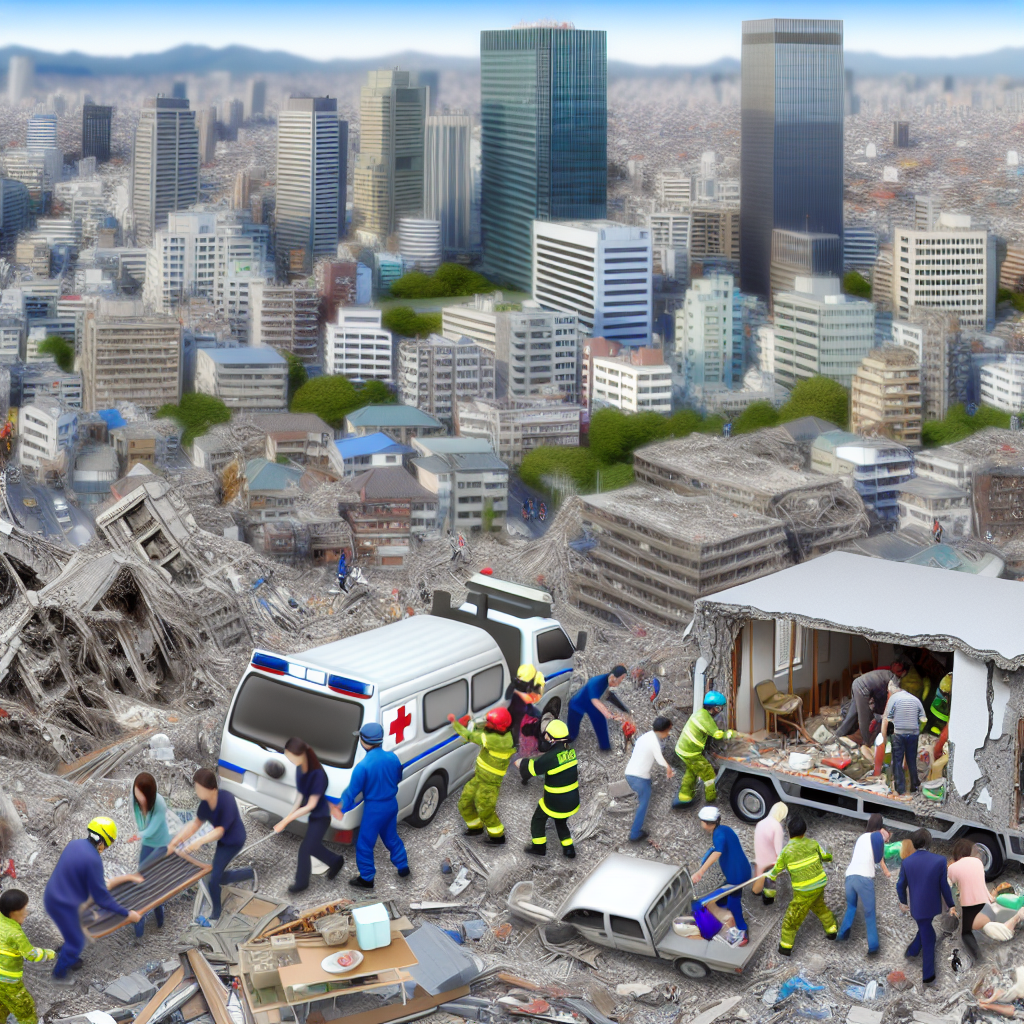
🤖 AI-Generated Illustration by Mobile Digest
In the early hours of Monday, a powerful magnitude-6.3 earthquake struck near Mazar-e Sharif, one of Afghanistan's largest cities, leaving countless casualties in its wake. The tragedy has laid bare the systemic issues plaguing the nation, including inadequate infrastructure, lack of government acco...
In the early hours of Monday, a powerful magnitude-6.3 earthquake struck near Mazar-e Sharif, one of Afghanistan's largest cities, leaving countless casualties in its wake. The tragedy has laid bare the systemic issues plaguing the nation, including inadequate infrastructure, lack of government accountability, and the failure of the international community to provide sufficient aid and support.
As the death toll continues to rise, questions are being raised about the government's ability to respond effectively to such disasters. Years of conflict, corruption, and neglect have left Afghanistan's infrastructure in a state of disrepair, making it difficult for emergency services to reach affected areas and provide timely assistance to those in need.
Moreover, the earthquake has highlighted the disproportionate impact of natural disasters on marginalized communities. The most vulnerable populations, including the poor, women, and children, are often the hardest hit by such calamities, exacerbating existing inequalities and social injustices.
The international community, too, must bear responsibility for its role in perpetuating Afghanistan's challenges. Despite promises of aid and support, many nations have failed to follow through on their commitments, leaving the country ill-equipped to deal with crises like this earthquake.
As the nation grapples with the aftermath of this tragedy, it is crucial that both the Afghan government and the global community prioritize the needs of the affected populations. This includes providing immediate relief and support, as well as investing in long-term solutions to address the systemic issues that have left Afghanistan vulnerable to such disasters.
It is time for a renewed commitment to social justice, equity, and accountability in Afghanistan. Only by addressing these fundamental challenges can we hope to build a more resilient and just society, one that is better prepared to withstand the impacts of natural disasters and protect the lives and well-being of all its citizens.
As the death toll continues to rise, questions are being raised about the government's ability to respond effectively to such disasters. Years of conflict, corruption, and neglect have left Afghanistan's infrastructure in a state of disrepair, making it difficult for emergency services to reach affected areas and provide timely assistance to those in need.
Moreover, the earthquake has highlighted the disproportionate impact of natural disasters on marginalized communities. The most vulnerable populations, including the poor, women, and children, are often the hardest hit by such calamities, exacerbating existing inequalities and social injustices.
The international community, too, must bear responsibility for its role in perpetuating Afghanistan's challenges. Despite promises of aid and support, many nations have failed to follow through on their commitments, leaving the country ill-equipped to deal with crises like this earthquake.
As the nation grapples with the aftermath of this tragedy, it is crucial that both the Afghan government and the global community prioritize the needs of the affected populations. This includes providing immediate relief and support, as well as investing in long-term solutions to address the systemic issues that have left Afghanistan vulnerable to such disasters.
It is time for a renewed commitment to social justice, equity, and accountability in Afghanistan. Only by addressing these fundamental challenges can we hope to build a more resilient and just society, one that is better prepared to withstand the impacts of natural disasters and protect the lives and well-being of all its citizens.