🔵 Progressive Analysis
Nature: Grand Teton National Park
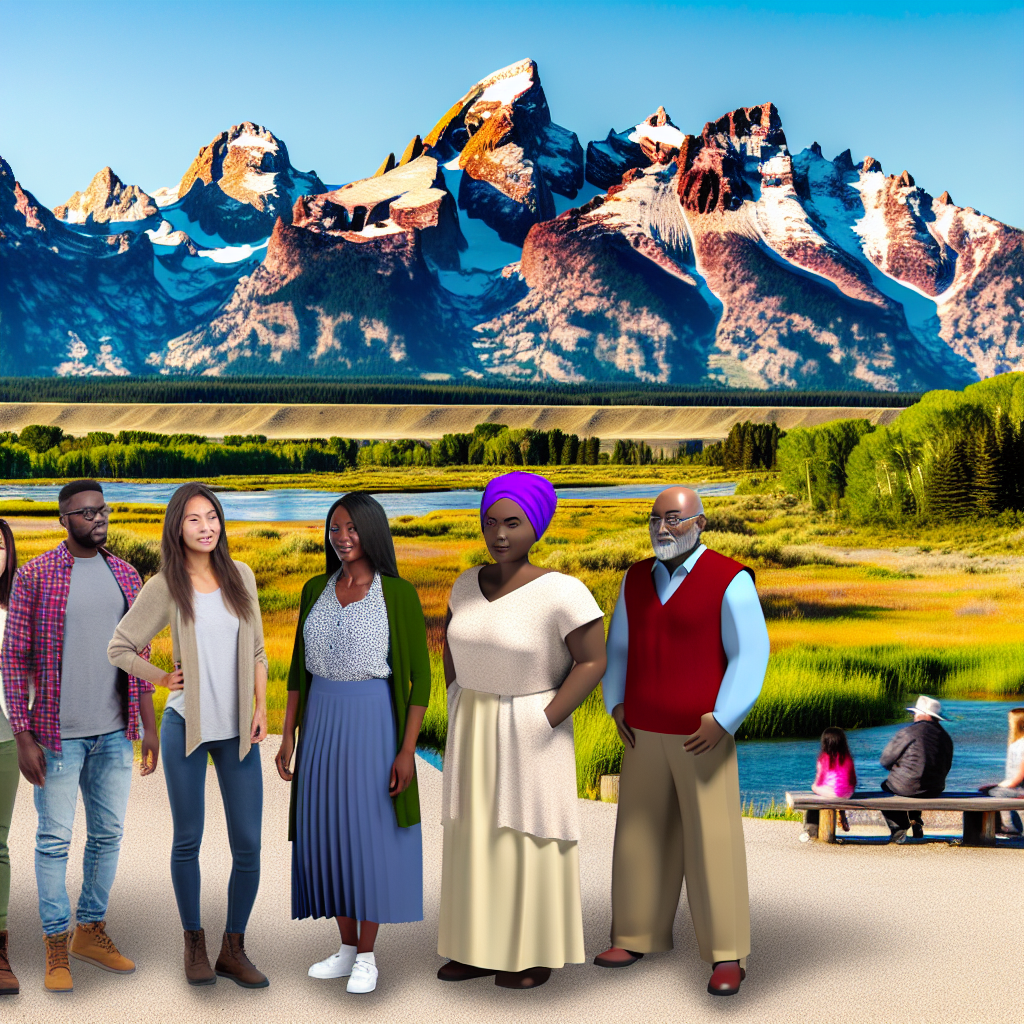
🤖 AI-Generated Illustration by Mobile Digest
Amidst the breathtaking beauty of Grand Teton National Park in Wyoming lies a complex history of indigenous displacement and ongoing environmental challenges. While the majestic peaks and pristine landscapes captivate visitors, it is crucial to acknowledge the systemic injustices that have shaped th...
Amidst the breathtaking beauty of Grand Teton National Park in Wyoming lies a complex history of indigenous displacement and ongoing environmental challenges. While the majestic peaks and pristine landscapes captivate visitors, it is crucial to acknowledge the systemic injustices that have shaped this land and the urgent need for conservation efforts in the face of climate change.
The creation of Grand Teton National Park in 1929 came at a heavy cost for the indigenous communities who had called this region home for thousands of years. The Shoshone, Bannock, Blackfoot, Crow, Flathead, Gros Ventre, and Nez Perce tribes were forcibly removed from their ancestral lands to make way for the park, reflecting a long history of colonial dispossession and the erasure of indigenous rights.
Today, as we marvel at the grandeur of the Teton Range, we must recognize the deep cultural and spiritual significance these lands hold for indigenous peoples. It is essential to amplify their voices, honor their traditional ecological knowledge, and work towards reconciliation and restorative justice.
Moreover, Grand Teton National Park serves as a poignant reminder of the pressing need for environmental protection and corporate accountability. The park's delicate ecosystems are increasingly threatened by the impacts of climate change, including rising temperatures, altered precipitation patterns, and more frequent wildfires. The loss of biodiversity and habitat fragmentation endangers countless species that call this park home.
To address these environmental challenges, we must demand bold action from our government and hold corporations responsible for their role in perpetuating the climate crisis. Investing in renewable energy, implementing strict emissions regulations, and promoting sustainable land management practices are crucial steps towards safeguarding the future of Grand Teton and other national parks.
As we immerse ourselves in the awe-inspiring beauty of Grand Teton National Park, let us reflect on the social and environmental justice issues that are interwoven with its history and its present. By confronting systemic inequities, honoring indigenous rights, and taking decisive action against climate change, we can ensure that these majestic landscapes remain a source of inspiration and a testament to our shared responsibility to protect the natural world for generations to come.
The creation of Grand Teton National Park in 1929 came at a heavy cost for the indigenous communities who had called this region home for thousands of years. The Shoshone, Bannock, Blackfoot, Crow, Flathead, Gros Ventre, and Nez Perce tribes were forcibly removed from their ancestral lands to make way for the park, reflecting a long history of colonial dispossession and the erasure of indigenous rights.
Today, as we marvel at the grandeur of the Teton Range, we must recognize the deep cultural and spiritual significance these lands hold for indigenous peoples. It is essential to amplify their voices, honor their traditional ecological knowledge, and work towards reconciliation and restorative justice.
Moreover, Grand Teton National Park serves as a poignant reminder of the pressing need for environmental protection and corporate accountability. The park's delicate ecosystems are increasingly threatened by the impacts of climate change, including rising temperatures, altered precipitation patterns, and more frequent wildfires. The loss of biodiversity and habitat fragmentation endangers countless species that call this park home.
To address these environmental challenges, we must demand bold action from our government and hold corporations responsible for their role in perpetuating the climate crisis. Investing in renewable energy, implementing strict emissions regulations, and promoting sustainable land management practices are crucial steps towards safeguarding the future of Grand Teton and other national parks.
As we immerse ourselves in the awe-inspiring beauty of Grand Teton National Park, let us reflect on the social and environmental justice issues that are interwoven with its history and its present. By confronting systemic inequities, honoring indigenous rights, and taking decisive action against climate change, we can ensure that these majestic landscapes remain a source of inspiration and a testament to our shared responsibility to protect the natural world for generations to come.