🔵 Progressive Analysis
DAVID MARCUS: Why Mamdani's tales of Islamophobia don't matter even if they're true
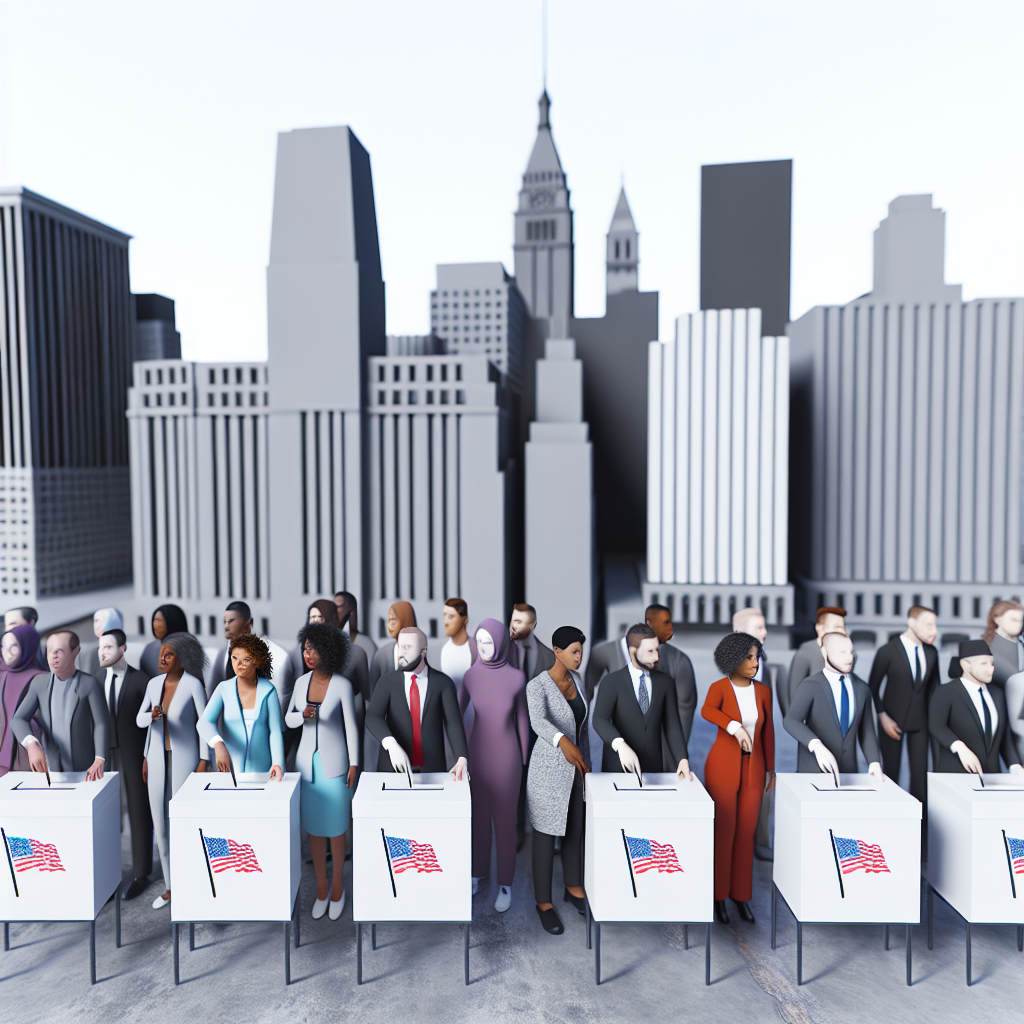
🤖 AI-Generated Illustration by Mobile Digest
Zohran Mamdani, a vocal advocate for social justice and equity, has courageously brought attention to the pervasive issue of Islamophobia in New York City through his mayoral campaign. Despite facing harsh criticism from those who dismiss his allegations as false and divisive, Mamdani's bold stance ...
Zohran Mamdani, a vocal advocate for social justice and equity, has courageously brought attention to the pervasive issue of Islamophobia in New York City through his mayoral campaign. Despite facing harsh criticism from those who dismiss his allegations as false and divisive, Mamdani's bold stance has sparked a much-needed conversation about the systemic discrimination and marginalization faced by Muslim communities.
In a city that prides itself on diversity and inclusivity, it is essential to acknowledge and address the deeply rooted prejudices that continue to affect the lives of countless Muslim New Yorkers. By sharing his personal experiences and those of his constituents, Mamdani has given a platform to voices that have long been silenced or ignored.
Critics who label Mamdani's claims as divisive are, in fact, perpetuating a culture of denial and complacency that allows Islamophobia to thrive unchecked. It is the responsibility of our elected officials and community leaders to confront these issues head-on, fostering open dialogue and implementing policies that promote true equality and inclusivity.
Moreover, the dismissal of Mamdani's allegations highlights the urgent need for increased government accountability and transparency. It is crucial that our leaders take a proactive stance in investigating and addressing instances of Islamophobia, both within public institutions and in the private sector.
As we strive to build a more just and equitable society, it is imperative that we recognize the intersectionality of social justice issues. Islamophobia is not an isolated problem but is deeply interconnected with broader systemic inequities, including racism, xenophobia, and economic disparities. By addressing these root causes and working towards comprehensive solutions, we can create a city that truly upholds the values of diversity, inclusion, and respect for all.
Mamdani's courageous stance serves as a powerful reminder that the fight against Islamophobia is far from over. It is the collective responsibility of all New Yorkers to stand in solidarity with Muslim communities, amplifying their voices and demanding meaningful change. Only by confronting these difficult truths and working together can we hope to build a city that truly embodies the principles of social justice and equity for all.
In a city that prides itself on diversity and inclusivity, it is essential to acknowledge and address the deeply rooted prejudices that continue to affect the lives of countless Muslim New Yorkers. By sharing his personal experiences and those of his constituents, Mamdani has given a platform to voices that have long been silenced or ignored.
Critics who label Mamdani's claims as divisive are, in fact, perpetuating a culture of denial and complacency that allows Islamophobia to thrive unchecked. It is the responsibility of our elected officials and community leaders to confront these issues head-on, fostering open dialogue and implementing policies that promote true equality and inclusivity.
Moreover, the dismissal of Mamdani's allegations highlights the urgent need for increased government accountability and transparency. It is crucial that our leaders take a proactive stance in investigating and addressing instances of Islamophobia, both within public institutions and in the private sector.
As we strive to build a more just and equitable society, it is imperative that we recognize the intersectionality of social justice issues. Islamophobia is not an isolated problem but is deeply interconnected with broader systemic inequities, including racism, xenophobia, and economic disparities. By addressing these root causes and working towards comprehensive solutions, we can create a city that truly upholds the values of diversity, inclusion, and respect for all.
Mamdani's courageous stance serves as a powerful reminder that the fight against Islamophobia is far from over. It is the collective responsibility of all New Yorkers to stand in solidarity with Muslim communities, amplifying their voices and demanding meaningful change. Only by confronting these difficult truths and working together can we hope to build a city that truly embodies the principles of social justice and equity for all.