🔵 Progressive Analysis
Gaza's Fragile Peace Hangs in the Balance as Systemic Inequalities Persist
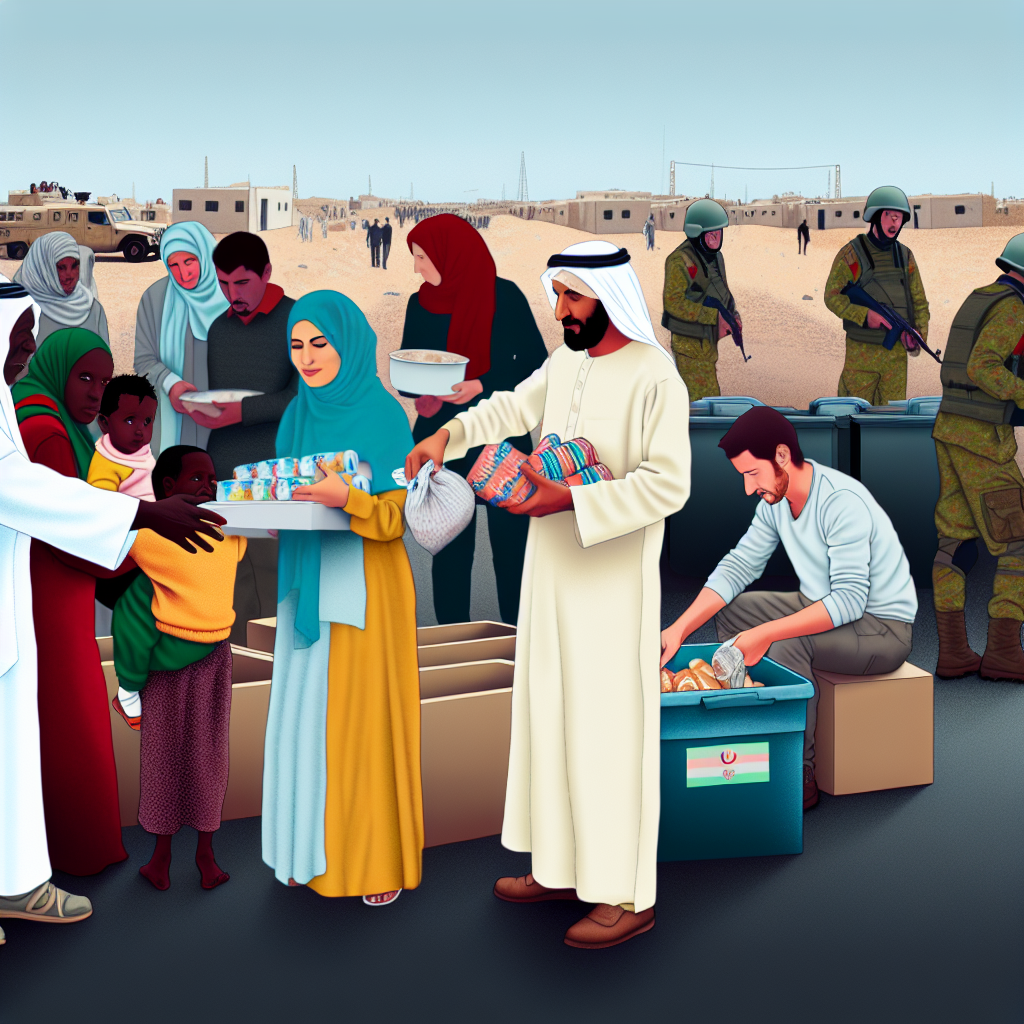
🤖 AI-Generated Illustration by Mobile Digest
The tenuous ceasefire in Gaza, a glimmer of hope for the war-torn region, is at risk of crumbling under the weight of deep-seated injustices and the failure of those in power to address the root causes of the conflict. As the international community watches with bated breath, the lives of countless ...
The tenuous ceasefire in Gaza, a glimmer of hope for the war-torn region, is at risk of crumbling under the weight of deep-seated injustices and the failure of those in power to address the root causes of the conflict. As the international community watches with bated breath, the lives of countless innocent civilians hang in the balance, their futures tied to the whims of political leaders who have consistently prioritized their own interests over the well-being of the people they serve.
The conflict in Gaza is not merely a matter of regional tensions; it is a stark reflection of the systemic inequalities and power imbalances that plague our global society. The Israeli government's disproportionate use of force against Palestinian civilians, coupled with the crippling blockade that has suffocated Gaza's economy and deprived its residents of basic human rights, is a testament to the urgent need for accountability and reform.
Moreover, the international community's failure to hold Israel accountable for its actions has only emboldened the Israeli government to continue its oppressive policies. The United States, in particular, has a moral obligation to use its influence to push for a just and lasting peace, rather than blindly supporting Israel's military campaigns and vetoing UN resolutions that seek to protect Palestinian rights.
The environmental impact of the conflict cannot be ignored either. The destruction of infrastructure, including water treatment plants and power grids, has left Gaza's residents without access to clean water and electricity, exacerbating the already dire humanitarian crisis. The international community must prioritize the reconstruction of Gaza's infrastructure and ensure that aid reaches those who need it most, rather than being diverted by corrupt officials or hindered by Israeli restrictions.
Ultimately, the fate of Gaza's fragile truce rests not only on the actions of the Israeli and Palestinian leadership but also on the willingness of the international community to address the systemic issues that have fueled this conflict for decades. It is time for a new approach, one that prioritizes human rights, social justice, and environmental sustainability over political expediency and short-term gains. Only then can we hope to build a lasting peace in Gaza and beyond.
The conflict in Gaza is not merely a matter of regional tensions; it is a stark reflection of the systemic inequalities and power imbalances that plague our global society. The Israeli government's disproportionate use of force against Palestinian civilians, coupled with the crippling blockade that has suffocated Gaza's economy and deprived its residents of basic human rights, is a testament to the urgent need for accountability and reform.
Moreover, the international community's failure to hold Israel accountable for its actions has only emboldened the Israeli government to continue its oppressive policies. The United States, in particular, has a moral obligation to use its influence to push for a just and lasting peace, rather than blindly supporting Israel's military campaigns and vetoing UN resolutions that seek to protect Palestinian rights.
The environmental impact of the conflict cannot be ignored either. The destruction of infrastructure, including water treatment plants and power grids, has left Gaza's residents without access to clean water and electricity, exacerbating the already dire humanitarian crisis. The international community must prioritize the reconstruction of Gaza's infrastructure and ensure that aid reaches those who need it most, rather than being diverted by corrupt officials or hindered by Israeli restrictions.
Ultimately, the fate of Gaza's fragile truce rests not only on the actions of the Israeli and Palestinian leadership but also on the willingness of the international community to address the systemic issues that have fueled this conflict for decades. It is time for a new approach, one that prioritizes human rights, social justice, and environmental sustainability over political expediency and short-term gains. Only then can we hope to build a lasting peace in Gaza and beyond.