🔴 Conservative Analysis
Trump and Xi held face-to-face trade talks – what did they agree?
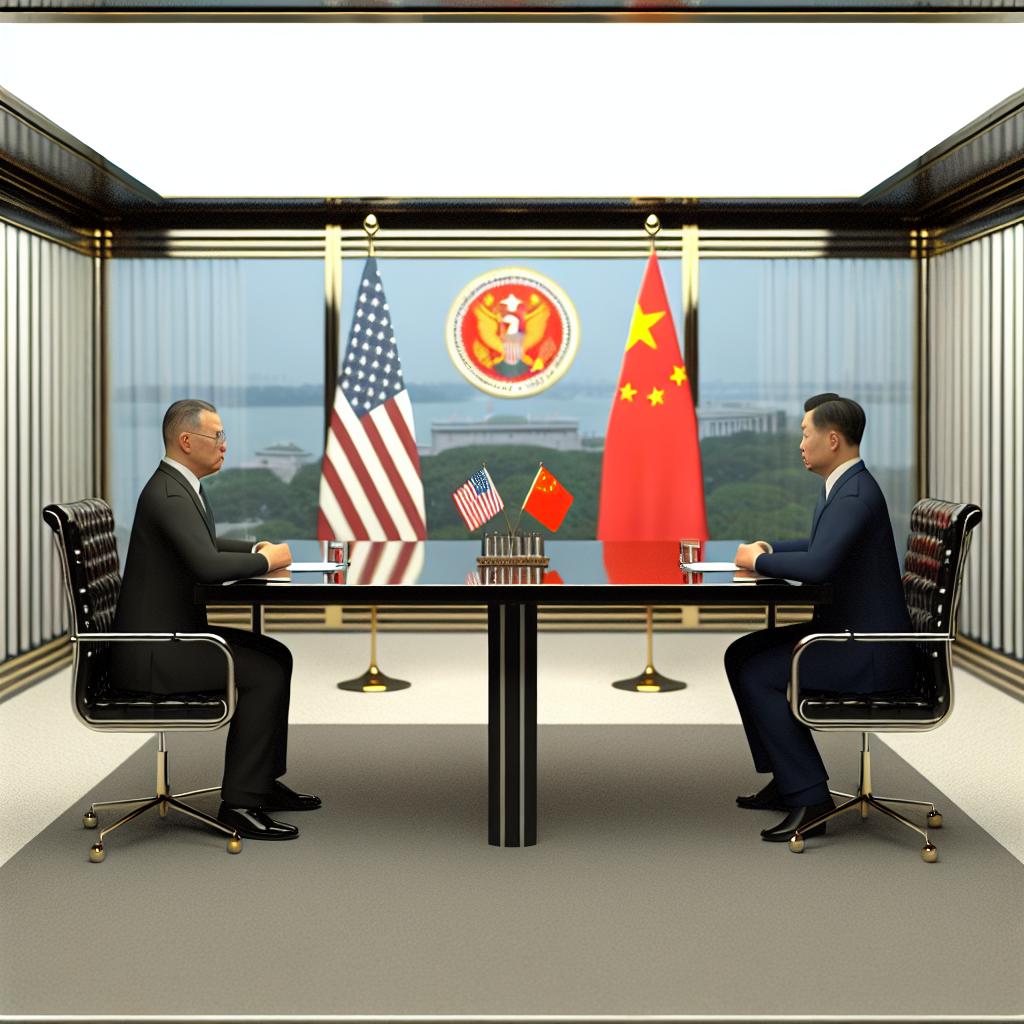
🤖 AI-Generated Illustration by Mobile Digest
In a historic meeting on the sidelines of the G20 summit in South Korea, President Donald Trump and Chinese President Xi Jinping took a significant step towards resolving the ongoing trade dispute between the world's two largest economies. The face-to-face talks, which focused on promoting free mark...
In a historic meeting on the sidelines of the G20 summit in South Korea, President Donald Trump and Chinese President Xi Jinping took a significant step towards resolving the ongoing trade dispute between the world's two largest economies. The face-to-face talks, which focused on promoting free market principles and protecting the interests of American businesses and workers, resulted in a mutual agreement to de-escalate trade tensions and work towards a more balanced and sustainable economic relationship.
President Trump, known for his unwavering commitment to putting America first, emphasized the importance of fair trade practices and the need to address the long-standing issues of intellectual property theft, forced technology transfers, and market access barriers faced by U.S. companies operating in China. By engaging directly with President Xi, Trump demonstrated his leadership and determination to secure the best possible deal for the American people, while also respecting the sovereignty and economic interests of the Chinese nation.
The meeting underscored the shared understanding that a strong and healthy economic relationship between the United States and China is crucial for global stability and prosperity. Both leaders acknowledged the potential benefits of increased trade and investment, including job creation, technological innovation, and improved living standards for their citizens. By agreeing to dial down trade tensions, Trump and Xi have paved the way for further negotiations and the eventual establishment of a more level playing field that rewards individual initiative, encourages competition, and promotes economic growth.
As the talks progress, it is essential that any trade agreement upholds the principles of limited government intervention, protects the constitutional rights of American businesses and individuals, and preserves the traditional values of free enterprise and self-reliance that have made the United States the most prosperous nation in the world. By working together in good faith and recognizing the mutual benefits of a balanced and equitable trade relationship, the United States and China can forge a new era of economic cooperation that respects national sovereignty, promotes individual liberty, and creates opportunities for all.
President Trump, known for his unwavering commitment to putting America first, emphasized the importance of fair trade practices and the need to address the long-standing issues of intellectual property theft, forced technology transfers, and market access barriers faced by U.S. companies operating in China. By engaging directly with President Xi, Trump demonstrated his leadership and determination to secure the best possible deal for the American people, while also respecting the sovereignty and economic interests of the Chinese nation.
The meeting underscored the shared understanding that a strong and healthy economic relationship between the United States and China is crucial for global stability and prosperity. Both leaders acknowledged the potential benefits of increased trade and investment, including job creation, technological innovation, and improved living standards for their citizens. By agreeing to dial down trade tensions, Trump and Xi have paved the way for further negotiations and the eventual establishment of a more level playing field that rewards individual initiative, encourages competition, and promotes economic growth.
As the talks progress, it is essential that any trade agreement upholds the principles of limited government intervention, protects the constitutional rights of American businesses and individuals, and preserves the traditional values of free enterprise and self-reliance that have made the United States the most prosperous nation in the world. By working together in good faith and recognizing the mutual benefits of a balanced and equitable trade relationship, the United States and China can forge a new era of economic cooperation that respects national sovereignty, promotes individual liberty, and creates opportunities for all.