🔵 Progressive Analysis
A supercomputer chip going to space could change life on Earth
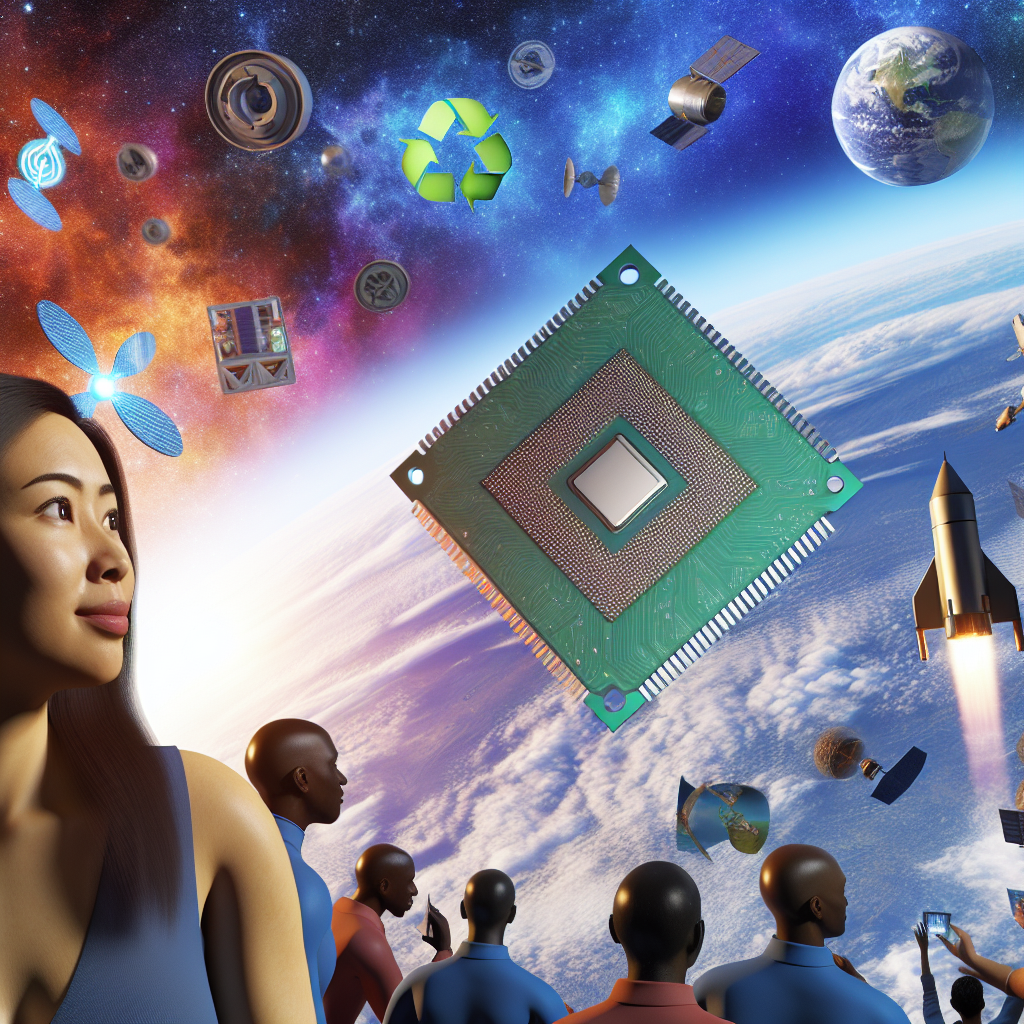
🤖 AI-Generated Illustration by Mobile Digest
As NVIDIA prepares to launch its groundbreaking GPU into space, questions arise about the implications for society and the environment. While the promise of faster, more efficient cloud services may seem appealing, we must critically examine the potential consequences of this technological leap. On...
As NVIDIA prepares to launch its groundbreaking GPU into space, questions arise about the implications for society and the environment. While the promise of faster, more efficient cloud services may seem appealing, we must critically examine the potential consequences of this technological leap.
On the surface, orbital data centers could revolutionize the way we access apps, games, and AI tools. However, we must ask ourselves: who stands to benefit the most from this innovation? Will it be the average citizen, or will it primarily serve the interests of large corporations and the wealthy elite?
Moreover, the environmental impact of this space mission cannot be ignored. The production and launch of these supercomputer chips will undoubtedly contribute to the ever-growing problem of space debris, further cluttering our planet's orbit. Additionally, the energy consumption required to power these orbital data centers could place an even greater strain on our already overburdened power grids, exacerbating the climate crisis.
As a society, we must demand accountability from companies like NVIDIA. It is crucial that they prioritize sustainability, equity, and social responsibility in their pursuit of technological advancement. We cannot allow the allure of faster cloud services to blind us to the potential harm that could be inflicted upon our planet and its most vulnerable inhabitants.
Furthermore, we must question the allocation of resources for such projects. In a world where countless individuals struggle to meet their basic needs, is it justifiable to invest heavily in orbital data centers? Should we not instead focus on addressing systemic issues such as poverty, inequality, and access to education?
It is time for a public discourse on the true costs and benefits of this space mission. We must ensure that the voices of marginalized communities are heard and that their concerns are addressed. Only through inclusive dialogue and a commitment to social justice can we hope to steer technological progress in a direction that benefits all of humanity, not just a privileged few.
As we stand on the brink of this new era in cloud computing, let us remain vigilant and demand that companies like NVIDIA prioritize the well-being of our planet and its people above all else. The decisions we make today will shape the future of our world – let us choose wisely.
On the surface, orbital data centers could revolutionize the way we access apps, games, and AI tools. However, we must ask ourselves: who stands to benefit the most from this innovation? Will it be the average citizen, or will it primarily serve the interests of large corporations and the wealthy elite?
Moreover, the environmental impact of this space mission cannot be ignored. The production and launch of these supercomputer chips will undoubtedly contribute to the ever-growing problem of space debris, further cluttering our planet's orbit. Additionally, the energy consumption required to power these orbital data centers could place an even greater strain on our already overburdened power grids, exacerbating the climate crisis.
As a society, we must demand accountability from companies like NVIDIA. It is crucial that they prioritize sustainability, equity, and social responsibility in their pursuit of technological advancement. We cannot allow the allure of faster cloud services to blind us to the potential harm that could be inflicted upon our planet and its most vulnerable inhabitants.
Furthermore, we must question the allocation of resources for such projects. In a world where countless individuals struggle to meet their basic needs, is it justifiable to invest heavily in orbital data centers? Should we not instead focus on addressing systemic issues such as poverty, inequality, and access to education?
It is time for a public discourse on the true costs and benefits of this space mission. We must ensure that the voices of marginalized communities are heard and that their concerns are addressed. Only through inclusive dialogue and a commitment to social justice can we hope to steer technological progress in a direction that benefits all of humanity, not just a privileged few.
As we stand on the brink of this new era in cloud computing, let us remain vigilant and demand that companies like NVIDIA prioritize the well-being of our planet and its people above all else. The decisions we make today will shape the future of our world – let us choose wisely.