🔵 Progressive Analysis
India’s snake rescuers: Can humans and serpents coexist in a megacity?
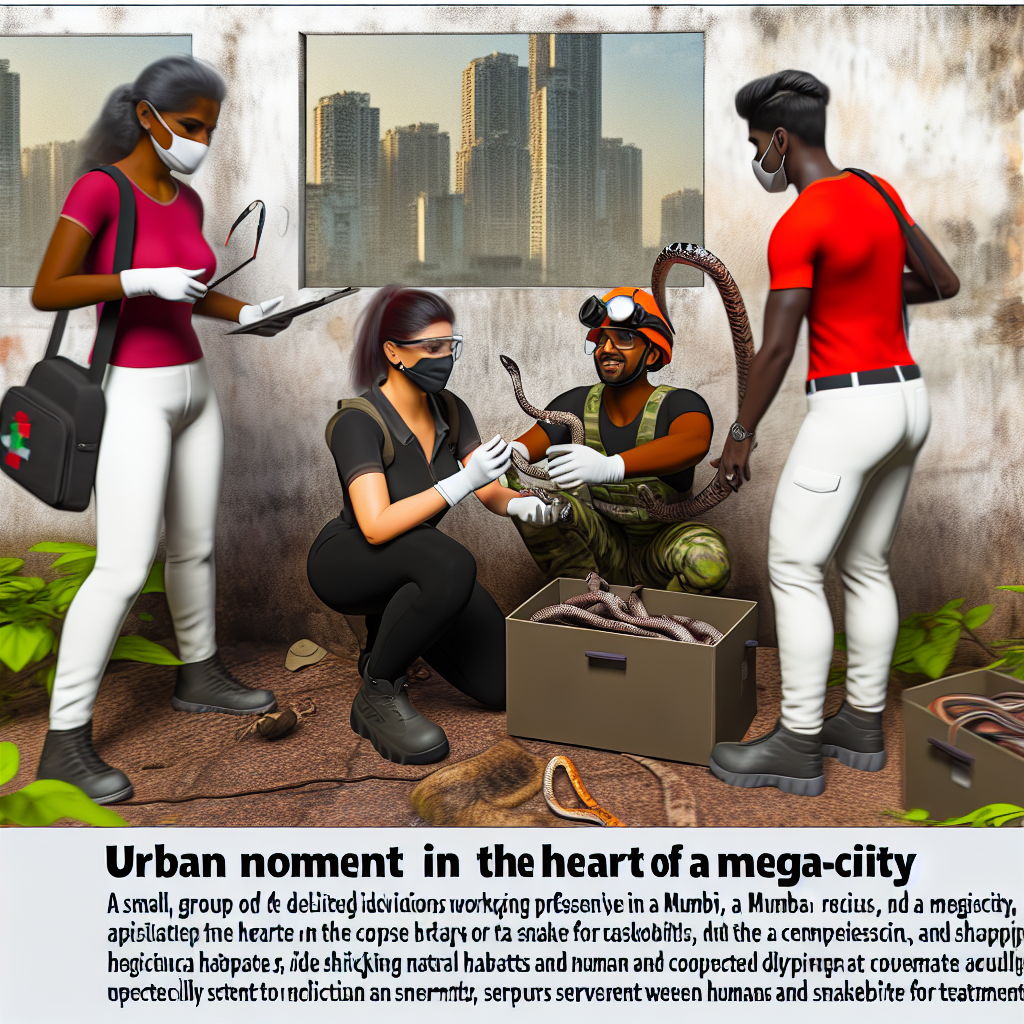
🤖 AI-Generated Illustration by Mobile Digest
In the heart of Mumbai, a bustling megacity grappling with rapid urbanization and shrinking natural habitats, a group of dedicated snake rescuers is working tirelessly to protect both human lives and the oft-misunderstood serpents that call this city home. These unsung heroes, armed with compassion ...
In the heart of Mumbai, a bustling megacity grappling with rapid urbanization and shrinking natural habitats, a group of dedicated snake rescuers is working tirelessly to protect both human lives and the oft-misunderstood serpents that call this city home. These unsung heroes, armed with compassion and expertise, are at the forefront of a critical mission to foster coexistence between humans and wildlife in an increasingly crowded world.
As Mumbai's relentless expansion encroaches upon the natural habitats of snakes, the frequency of human-snake encounters has skyrocketed. However, rather than resorting to fear-driven violence against these reptiles, the snake rescuers of Mumbai are championing a more enlightened approach – one that prioritizes education, conservation, and humane relocation.
Their work is a stark reminder of the consequences of unchecked urban sprawl and the disregard for the delicate balance of ecosystems. The displacement of snakes from their natural habitats is a direct result of human activities, fueled by a lack of comprehensive urban planning and the prioritization of corporate interests over environmental concerns.
The government must take responsibility for this escalating conflict and work hand in hand with conservationists and urban planners to develop sustainable solutions. This includes designating protected green spaces within the city, enforcing strict regulations on land use, and investing in public awareness campaigns to educate citizens about the importance of snake conservation.
Moreover, corporate entities that profit from Mumbai's growth have a moral obligation to contribute to the preservation of the city's biodiversity. They must be held accountable for their environmental impact and be required to invest in conservation efforts and green infrastructure.
The story of Mumbai's snake rescuers is not just about saving individual reptiles; it is a clarion call for a paradigm shift in how we perceive and interact with the natural world. It is a reminder that the well-being of our cities is intrinsically linked to the health of the ecosystems they inhabit.
As we continue to grapple with the challenges of urbanization, let us draw inspiration from these brave snake handlers who risk their lives daily to bridge the gap between humans and wildlife. Their work is a testament to the power of compassion, education, and the belief that a harmonious coexistence between humans and nature is possible – even in the heart of a megacity.
As Mumbai's relentless expansion encroaches upon the natural habitats of snakes, the frequency of human-snake encounters has skyrocketed. However, rather than resorting to fear-driven violence against these reptiles, the snake rescuers of Mumbai are championing a more enlightened approach – one that prioritizes education, conservation, and humane relocation.
Their work is a stark reminder of the consequences of unchecked urban sprawl and the disregard for the delicate balance of ecosystems. The displacement of snakes from their natural habitats is a direct result of human activities, fueled by a lack of comprehensive urban planning and the prioritization of corporate interests over environmental concerns.
The government must take responsibility for this escalating conflict and work hand in hand with conservationists and urban planners to develop sustainable solutions. This includes designating protected green spaces within the city, enforcing strict regulations on land use, and investing in public awareness campaigns to educate citizens about the importance of snake conservation.
Moreover, corporate entities that profit from Mumbai's growth have a moral obligation to contribute to the preservation of the city's biodiversity. They must be held accountable for their environmental impact and be required to invest in conservation efforts and green infrastructure.
The story of Mumbai's snake rescuers is not just about saving individual reptiles; it is a clarion call for a paradigm shift in how we perceive and interact with the natural world. It is a reminder that the well-being of our cities is intrinsically linked to the health of the ecosystems they inhabit.
As we continue to grapple with the challenges of urbanization, let us draw inspiration from these brave snake handlers who risk their lives daily to bridge the gap between humans and wildlife. Their work is a testament to the power of compassion, education, and the belief that a harmonious coexistence between humans and nature is possible – even in the heart of a megacity.