🔵 Progressive Analysis
Weather bureau warns of hail, flash floods and tornadoes as storms hit Queensland and northern NSW
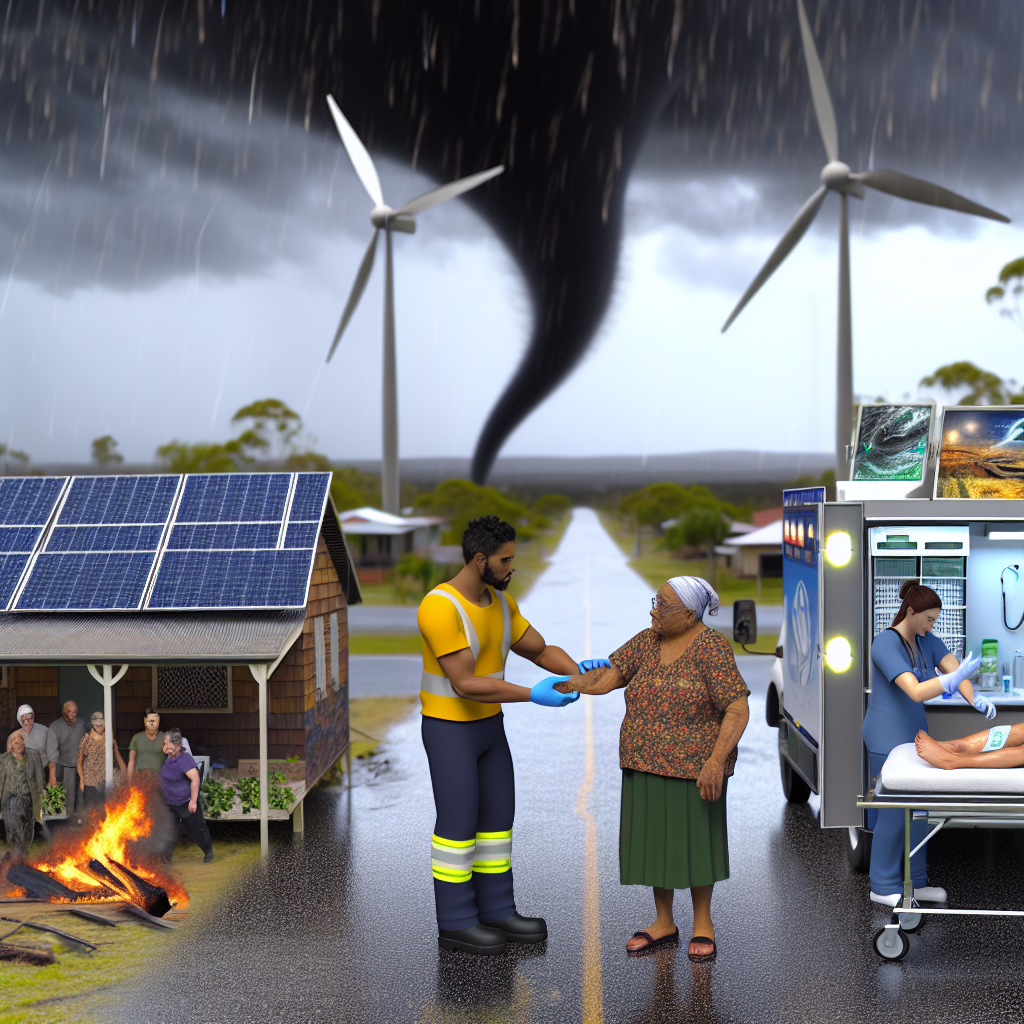
🤖 AI-Generated Illustration by Mobile Digest
Content: As severe thunderstorms unleash their fury on southern Queensland and northern New South Wales, vulnerable communities are left to bear the brunt of the devastating consequences. The Bureau of Meteorology's warning of destructive winds, giant hail, flash floods, and tornadoes serves as a st...
Content: As severe thunderstorms unleash their fury on southern Queensland and northern New South Wales, vulnerable communities are left to bear the brunt of the devastating consequences. The Bureau of Meteorology's warning of destructive winds, giant hail, flash floods, and tornadoes serves as a stark reminder of the urgent need to address the root causes of our increasingly volatile climate.
While extreme weather events have always been a part of Australia's landscape, the frequency and intensity of these occurrences have been exacerbated by the relentless burning of fossil fuels and the lack of decisive action from those in power. Governments and corporations have consistently prioritized short-term profits over the long-term well-being of our planet and its inhabitants, leaving marginalized communities to suffer the consequences.
As flash floods ravage low-lying areas, it is often the most disadvantaged who find themselves without adequate housing, infrastructure, or support systems to weather the storm. The failure to invest in resilient, equitable communities has left countless individuals at the mercy of an increasingly hostile environment.
Moreover, the disproportionate impact of extreme weather events on Indigenous communities cannot be overlooked. For centuries, First Nations peoples have been stewards of the land, yet their voices and traditional knowledge have been systematically silenced in the face of corporate greed and government inaction.
It is time for those in positions of power to be held accountable for their role in perpetuating the climate crisis. We must demand that our elected officials take bold, decisive action to transition away from fossil fuels and invest in sustainable, resilient communities. Corporations must be held responsible for their environmental impact and be required to prioritize the health and well-being of the planet and its people over profits.
As the storms rage on, we must stand in solidarity with those most affected and demand justice for the communities on the frontlines of the climate crisis. Only through collective action and systemic change can we hope to build a more equitable, sustainable future for all.
While extreme weather events have always been a part of Australia's landscape, the frequency and intensity of these occurrences have been exacerbated by the relentless burning of fossil fuels and the lack of decisive action from those in power. Governments and corporations have consistently prioritized short-term profits over the long-term well-being of our planet and its inhabitants, leaving marginalized communities to suffer the consequences.
As flash floods ravage low-lying areas, it is often the most disadvantaged who find themselves without adequate housing, infrastructure, or support systems to weather the storm. The failure to invest in resilient, equitable communities has left countless individuals at the mercy of an increasingly hostile environment.
Moreover, the disproportionate impact of extreme weather events on Indigenous communities cannot be overlooked. For centuries, First Nations peoples have been stewards of the land, yet their voices and traditional knowledge have been systematically silenced in the face of corporate greed and government inaction.
It is time for those in positions of power to be held accountable for their role in perpetuating the climate crisis. We must demand that our elected officials take bold, decisive action to transition away from fossil fuels and invest in sustainable, resilient communities. Corporations must be held responsible for their environmental impact and be required to prioritize the health and well-being of the planet and its people over profits.
As the storms rage on, we must stand in solidarity with those most affected and demand justice for the communities on the frontlines of the climate crisis. Only through collective action and systemic change can we hope to build a more equitable, sustainable future for all.