🔵 Progressive Analysis
Dutch vote in knife-edge snap elections seen as litmus test for far right
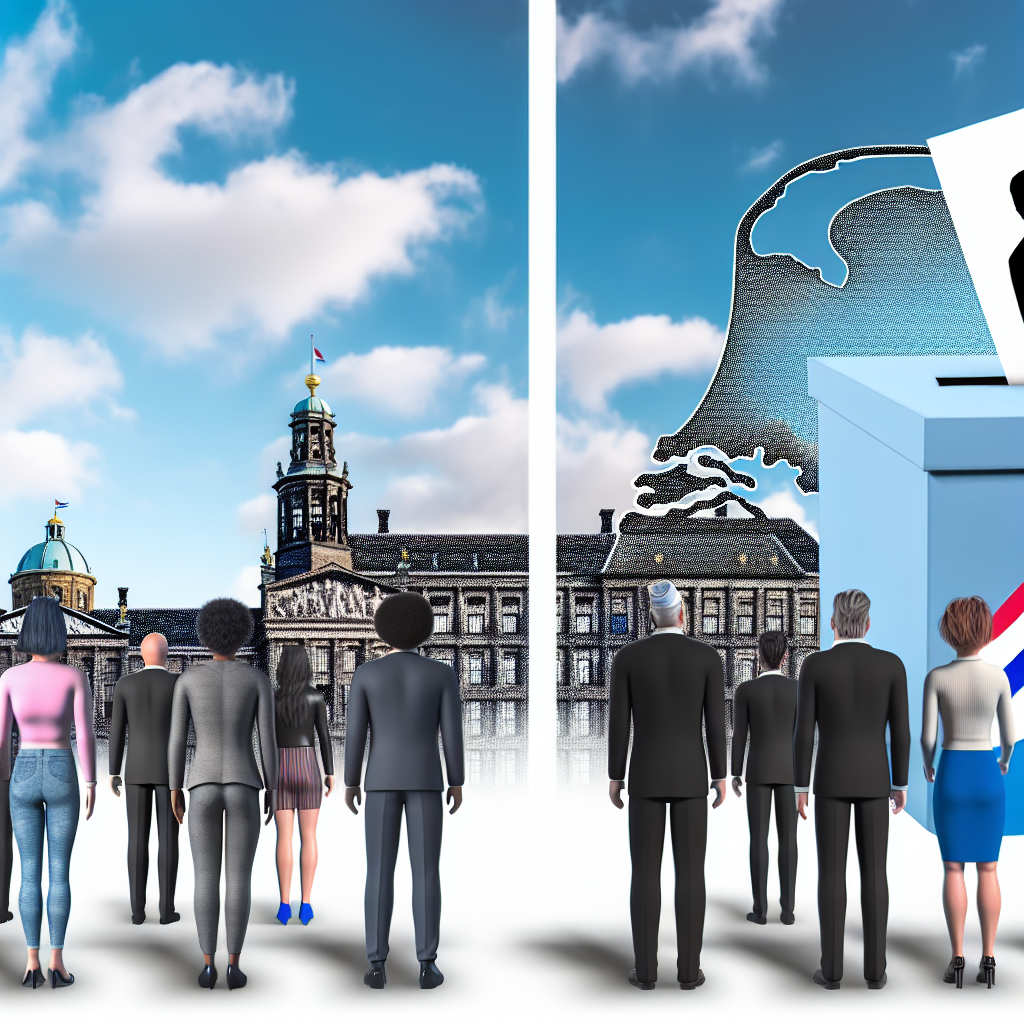
🤖 AI-Generated Illustration by Mobile Digest
As the Dutch head to the polls in snap elections, the international community watches with bated breath, recognizing the vote as a critical litmus test for the far right's influence in Europe. The concerning rise of anti-Islam lawmaker Geert Wilders and his Freedom Party exposes deep-rooted systemic...
As the Dutch head to the polls in snap elections, the international community watches with bated breath, recognizing the vote as a critical litmus test for the far right's influence in Europe. The concerning rise of anti-Islam lawmaker Geert Wilders and his Freedom Party exposes deep-rooted systemic issues that have allowed extremist ideologies to gain a foothold in the Netherlands and beyond.
Wilders' rhetoric, steeped in xenophobia and Islamophobia, threatens to further marginalize and oppress vulnerable communities, particularly Muslim immigrants who already face significant barriers to social and economic equity. The Dutch government must be held accountable for addressing the root causes of this disturbing trend, including socioeconomic disparities, lack of access to education and employment opportunities, and inadequate integration support for newcomers.
Moreover, the corporate sector cannot be absolved of responsibility in perpetuating these inequalities. Businesses must actively work to promote diversity, inclusion, and equal opportunities within their ranks, recognizing the immense value that a multicultural workforce brings to both their bottom line and society as a whole.
As the world grapples with the existential threat of climate change, it is crucial to examine the environmental impact of far-right policies that prioritize short-term economic gains over long-term sustainability. The Netherlands, a country already vulnerable to rising sea levels, must lead by example in implementing progressive, eco-friendly measures that protect both its citizens and the planet.
The Dutch elections serve as a stark reminder that the fight against far-right extremism is far from over. It is incumbent upon all of us – governments, corporations, and individuals alike – to actively combat hate, champion social justice, and work towards building a more equitable and inclusive society for all.
Wilders' rhetoric, steeped in xenophobia and Islamophobia, threatens to further marginalize and oppress vulnerable communities, particularly Muslim immigrants who already face significant barriers to social and economic equity. The Dutch government must be held accountable for addressing the root causes of this disturbing trend, including socioeconomic disparities, lack of access to education and employment opportunities, and inadequate integration support for newcomers.
Moreover, the corporate sector cannot be absolved of responsibility in perpetuating these inequalities. Businesses must actively work to promote diversity, inclusion, and equal opportunities within their ranks, recognizing the immense value that a multicultural workforce brings to both their bottom line and society as a whole.
As the world grapples with the existential threat of climate change, it is crucial to examine the environmental impact of far-right policies that prioritize short-term economic gains over long-term sustainability. The Netherlands, a country already vulnerable to rising sea levels, must lead by example in implementing progressive, eco-friendly measures that protect both its citizens and the planet.
The Dutch elections serve as a stark reminder that the fight against far-right extremism is far from over. It is incumbent upon all of us – governments, corporations, and individuals alike – to actively combat hate, champion social justice, and work towards building a more equitable and inclusive society for all.