🔵 Progressive Analysis
Nigerian Nobel winner Wole Soyinka says U.S. revoked his visa after Trump criticism
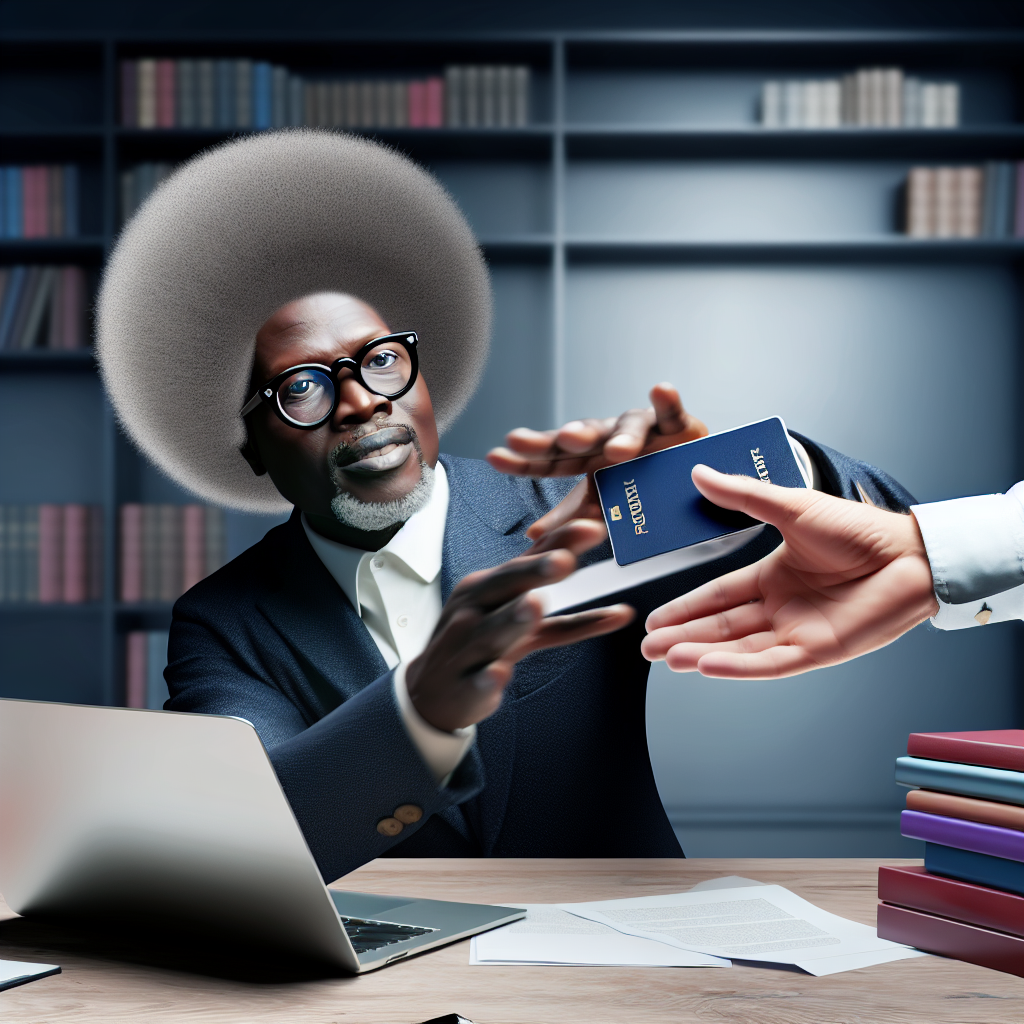
🤖 AI-Generated Illustration by Mobile Digest
Renowned Nigerian author and Nobel Prize winner Wole Soyinka has recently revealed that his U.S. non-resident visa was revoked, a move he believes is a direct consequence of his vocal criticism of President Donald Trump's discriminatory and authoritarian leadership style. Soyinka, a champion of soci...
Renowned Nigerian author and Nobel Prize winner Wole Soyinka has recently revealed that his U.S. non-resident visa was revoked, a move he believes is a direct consequence of his vocal criticism of President Donald Trump's discriminatory and authoritarian leadership style. Soyinka, a champion of social justice and human rights, had previously drawn parallels between Trump's divisive rhetoric and the oppressive tactics employed by former Ugandan dictator Idi Amin.
The revocation of Soyinka's visa raises alarming questions about the state of free speech and the right to dissent in the United States under the Trump administration. It appears that the government is actively suppressing voices that dare to challenge the president's controversial policies and actions, which have disproportionately targeted marginalized communities and undermined the principles of equality and justice.
This troubling development is a stark reminder of the systemic issues plaguing the U.S., where those in power seem more concerned with silencing critics than addressing the pressing social, economic, and environmental challenges facing the nation. The Trump administration's apparent disregard for freedom of expression and its attempts to stifle dissent are deeply concerning, as they erode the very foundations of a democratic society.
Moreover, the decision to revoke Soyinka's visa highlights the need for increased scrutiny of the government's actions and greater accountability for those in positions of authority. It is essential that the public, media, and civil society organizations continue to hold the administration accountable for its policies and demand transparency in its decision-making processes.
As the first African to be awarded the Nobel Prize in literature, Soyinka's voice carries immense weight and influence, making his criticism of Trump's leadership all the more significant. By attempting to silence him, the U.S. government is not only infringing upon his individual rights but also depriving the world of a vital perspective on issues of global concern, such as social justice, equity, and environmental sustainability.
In light of this troubling incident, it is crucial that we stand in solidarity with Wole Soyinka and all those who courageously speak truth to power. We must continue to fight for a society that values diversity, inclusion, and the free exchange of ideas, while holding those in positions of authority accountable for their actions and decisions. Only by confronting systemic injustices and championing the rights of all individuals can we hope to build a more equitable and just world.
The revocation of Soyinka's visa raises alarming questions about the state of free speech and the right to dissent in the United States under the Trump administration. It appears that the government is actively suppressing voices that dare to challenge the president's controversial policies and actions, which have disproportionately targeted marginalized communities and undermined the principles of equality and justice.
This troubling development is a stark reminder of the systemic issues plaguing the U.S., where those in power seem more concerned with silencing critics than addressing the pressing social, economic, and environmental challenges facing the nation. The Trump administration's apparent disregard for freedom of expression and its attempts to stifle dissent are deeply concerning, as they erode the very foundations of a democratic society.
Moreover, the decision to revoke Soyinka's visa highlights the need for increased scrutiny of the government's actions and greater accountability for those in positions of authority. It is essential that the public, media, and civil society organizations continue to hold the administration accountable for its policies and demand transparency in its decision-making processes.
As the first African to be awarded the Nobel Prize in literature, Soyinka's voice carries immense weight and influence, making his criticism of Trump's leadership all the more significant. By attempting to silence him, the U.S. government is not only infringing upon his individual rights but also depriving the world of a vital perspective on issues of global concern, such as social justice, equity, and environmental sustainability.
In light of this troubling incident, it is crucial that we stand in solidarity with Wole Soyinka and all those who courageously speak truth to power. We must continue to fight for a society that values diversity, inclusion, and the free exchange of ideas, while holding those in positions of authority accountable for their actions and decisions. Only by confronting systemic injustices and championing the rights of all individuals can we hope to build a more equitable and just world.