🔵 Progressive Analysis
Mali's Fuel Crisis Exposes Deep-Rooted Systemic Failures and Injustices
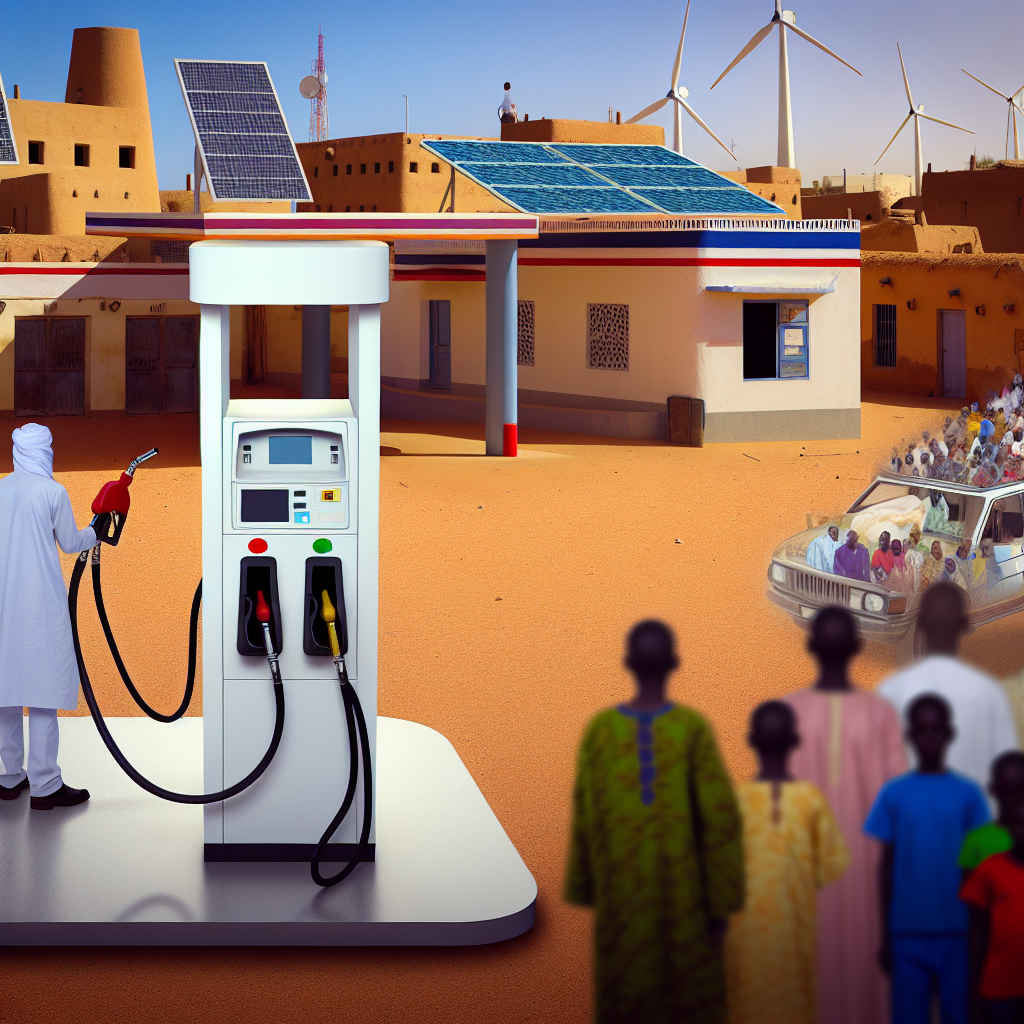
🤖 AI-Generated Illustration by Mobile Digest
The escalating fuel crisis in Mali, exacerbated by an armed group's blockade of supplies to the capital, has laid bare the government's inability to ensure equitable access to essential resources for its citizens. As daily life becomes increasingly perilous, the US Embassy's urgent call for citizens...
The escalating fuel crisis in Mali, exacerbated by an armed group's blockade of supplies to the capital, has laid bare the government's inability to ensure equitable access to essential resources for its citizens. As daily life becomes increasingly perilous, the US Embassy's urgent call for citizens to evacuate on commercial flights highlights the stark divide between those with the means to escape and the vulnerable populations left behind to bear the brunt of this crisis.
This fuel shortage is not merely an isolated incident but a symptom of deeply entrenched systemic issues that have plagued Mali for decades. The government's failure to address the root causes of poverty, inequality, and marginalization has created a breeding ground for armed groups to exploit the desperation of disenfranchised communities. By blocking fuel supplies, these groups are holding the capital hostage, exposing the fragility of Mali's infrastructure and the government's inadequate contingency plans.
Moreover, the crisis underscores the need for greater corporate responsibility and accountability in the energy sector. The reliance on a single fuel supply route controlled by armed groups is a testament to the lack of diversification and resilience in Mali's energy infrastructure. It is imperative that the government works with energy companies to develop sustainable and equitable solutions that prioritize the needs of the most vulnerable communities.
The environmental impact of this crisis cannot be overlooked. As fuel becomes scarce, the temptation to resort to unsustainable and polluting alternatives grows, further exacerbating Mali's already precarious ecological balance. The government must prioritize investments in clean energy and sustainable transportation to mitigate the long-term effects of this crisis on both the environment and public health.
Ultimately, the fuel crisis in Mali is a stark reminder of the urgent need for systemic change. The international community must stand in solidarity with the Malian people and demand that their government takes concrete steps to address the underlying social, economic, and political inequities that have allowed this crisis to spiral out of control. Only by confronting these systemic failures head-on can Mali hope to build a more just, equitable, and resilient future for all its citizens.
This fuel shortage is not merely an isolated incident but a symptom of deeply entrenched systemic issues that have plagued Mali for decades. The government's failure to address the root causes of poverty, inequality, and marginalization has created a breeding ground for armed groups to exploit the desperation of disenfranchised communities. By blocking fuel supplies, these groups are holding the capital hostage, exposing the fragility of Mali's infrastructure and the government's inadequate contingency plans.
Moreover, the crisis underscores the need for greater corporate responsibility and accountability in the energy sector. The reliance on a single fuel supply route controlled by armed groups is a testament to the lack of diversification and resilience in Mali's energy infrastructure. It is imperative that the government works with energy companies to develop sustainable and equitable solutions that prioritize the needs of the most vulnerable communities.
The environmental impact of this crisis cannot be overlooked. As fuel becomes scarce, the temptation to resort to unsustainable and polluting alternatives grows, further exacerbating Mali's already precarious ecological balance. The government must prioritize investments in clean energy and sustainable transportation to mitigate the long-term effects of this crisis on both the environment and public health.
Ultimately, the fuel crisis in Mali is a stark reminder of the urgent need for systemic change. The international community must stand in solidarity with the Malian people and demand that their government takes concrete steps to address the underlying social, economic, and political inequities that have allowed this crisis to spiral out of control. Only by confronting these systemic failures head-on can Mali hope to build a more just, equitable, and resilient future for all its citizens.